
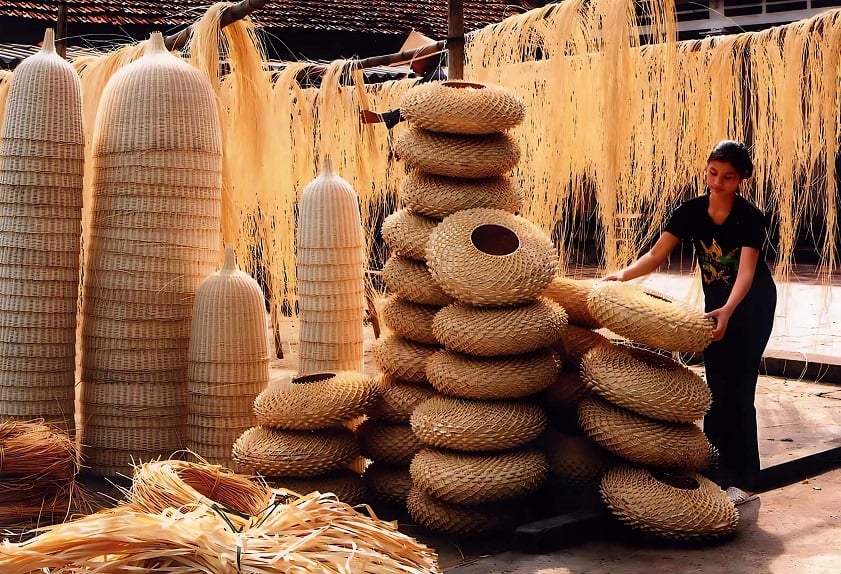

Traditional craft villages in Hanoi, Vietnam, reflect the spirit of a thousand-year-old capital. More than historical sites, they serve as living symbols of Vietnamese culture. Although time has brought many changes, each village still protects its unique craftsmanship and identity. For that reason, exploring these villages should be part of every Hanoi itinerary.
With SeA Travel, visitors can discover 10 traditional craft villages in Hanoi. In these places, every product carries a story, while every artisan preserves a cultural legacy. From ceramics to silk, each craft connects the past with modern life.
1. Bat Trang Pottery Village
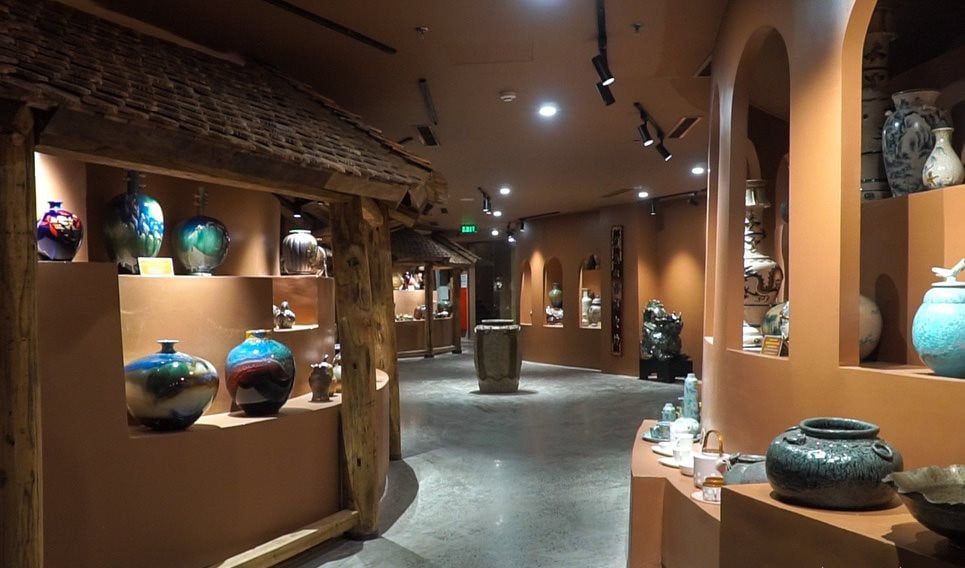
With a history of over 500 years, Bat Trang Pottery Village stands out as one of the most famous craft villages in Hanoi. Only 13 km from the city center, it draws both local and international tourists.
When Thang Long became the capital, skilled artisans moved here to produce ceramics for the royal court. Over time, the village continued to grow while maintaining its traditional values. As a result, Bat Trang has become one of the largest ceramic centers in Vietnam.
Visitors can explore a colorful world of pottery. In particular, narrow alleys and ancient houses create a calm setting. Meanwhile, the sound of pottery wheels adds a lively rhythm to the village.
2. Ha Thai Lacquer Village

Known for its refined lacquerware, Ha Thai Lacquer Village plays an important role in Hanoi’s craft heritage. Located in Thuong Tin District, it has developed this art for generations.
Instead of following only traditional methods, artisans combine classic techniques with modern design. Consequently, each product features unique patterns and cultural meaning. In addition, Ha Thai lacquerware has gained recognition in international markets.
3. Chuong Village, a village specializing in making conical hats.

Famous for conical hat making, Chuong Village is one of the oldest craft villages in Vietnam. It lies in Thanh Oai District and continues to preserve this traditional craft.
The conical hat represents Vietnamese women and rural life. Over many generations, artisans have maintained careful handcrafting techniques. Besides protecting from sun and rain, these hats also express elegance and cultural identity.
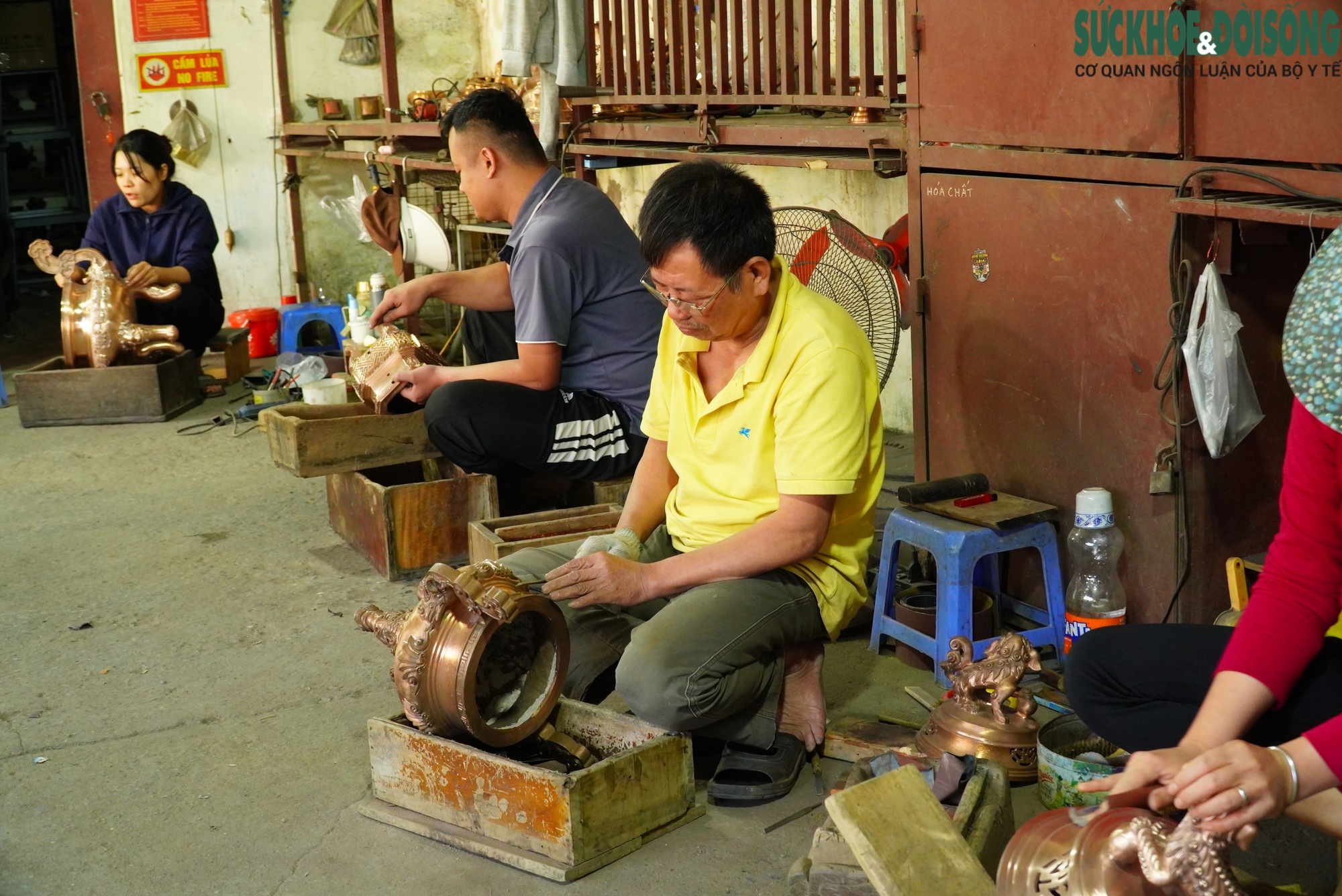
Ngu Xa Bronze Casting Village contributes greatly to Hanoi’s cultural reputation. Situated near the Red River, it has a long tradition of bronze production.
Local artisans create items such as incense burners, bells, and statues. Because each step requires precision, every product shows high craftsmanship. Therefore, these works carry both artistic and cultural value.
5. Van Phuc Silk Village
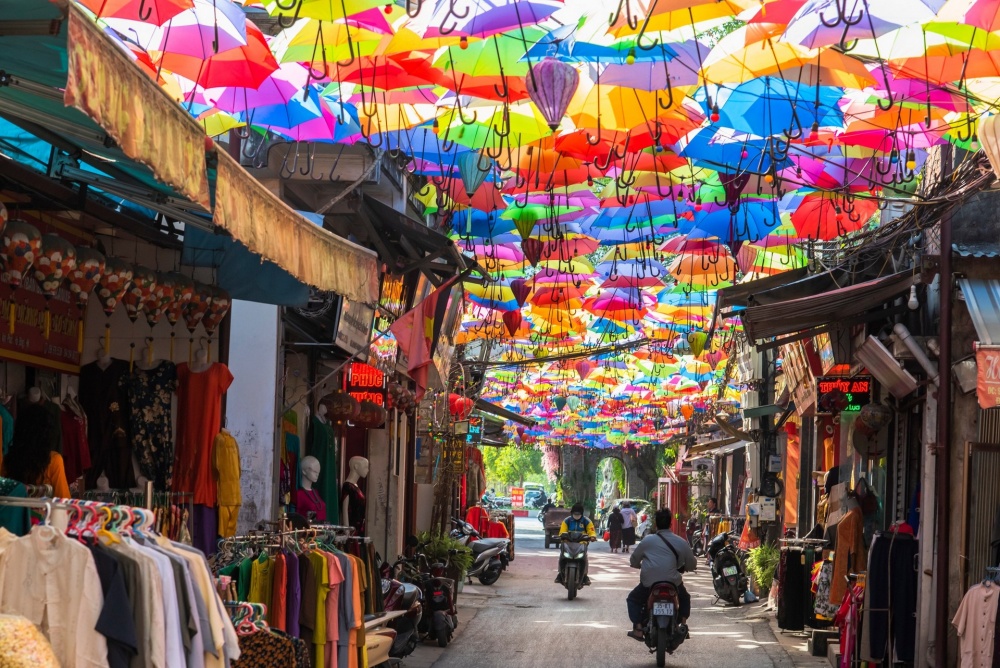
Located in Ha Dong, Van Phuc Silk Village is widely known for traditional silk weaving. In earlier times, its silk was used by the royal family. Today, it remains an important part of Vietnamese fashion.
Softness, durability, and elegance define Van Phuc silk. Moreover, artisans carefully manage each stage of production. Thanks to this process, the silk is popular in both domestic and global markets.
6. Quat Dong Embroidery Village
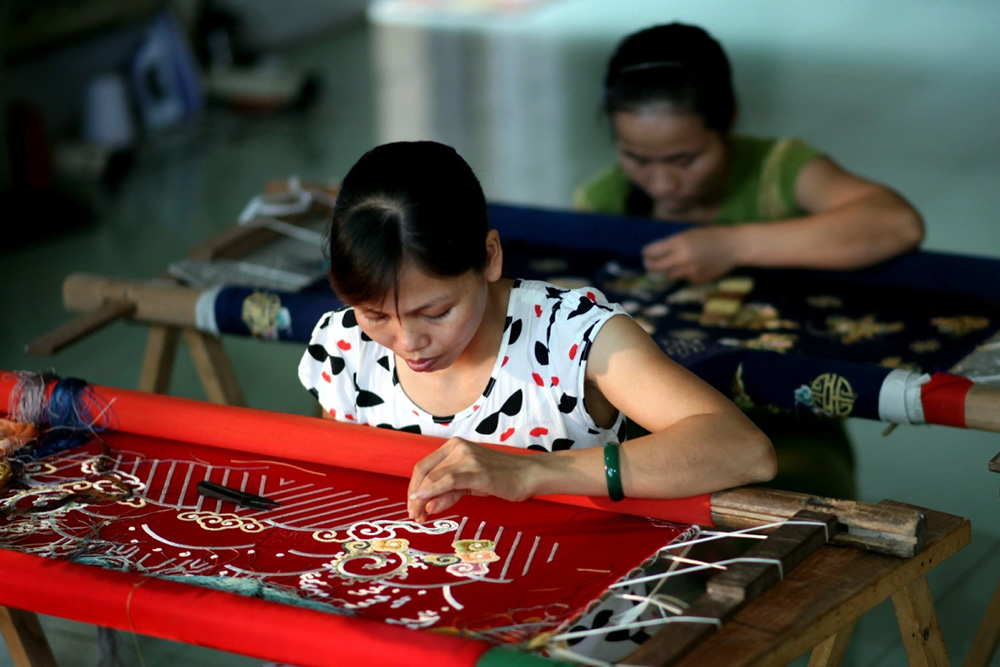
Quat Dong Embroidery Village is famous for its detailed hand embroidery. This craft dates back to the Le Dynasty and was introduced by Le Cong Hanh.
Rather than focusing only on clothing, artisans also create artistic embroidery paintings. Furthermore, they combine traditional and modern techniques. As a result, these products achieve both high quality and strong market value.
7. Vong Village, known for its rice flake making.

Well known for green rice flakes, Vong Village represents the flavor of Hanoi’s autumn. It is located in Cau Giay District and has a long-standing tradition.
During autumn, the aroma of fresh rice spreads across the area. To create this specialty, artisans roast, pound, and sift young rice grains. Consequently, the final product becomes soft, fragrant, and slightly sweet. It serves as both a local delicacy and a cultural symbol.
8. Son Dong Sculpture Village
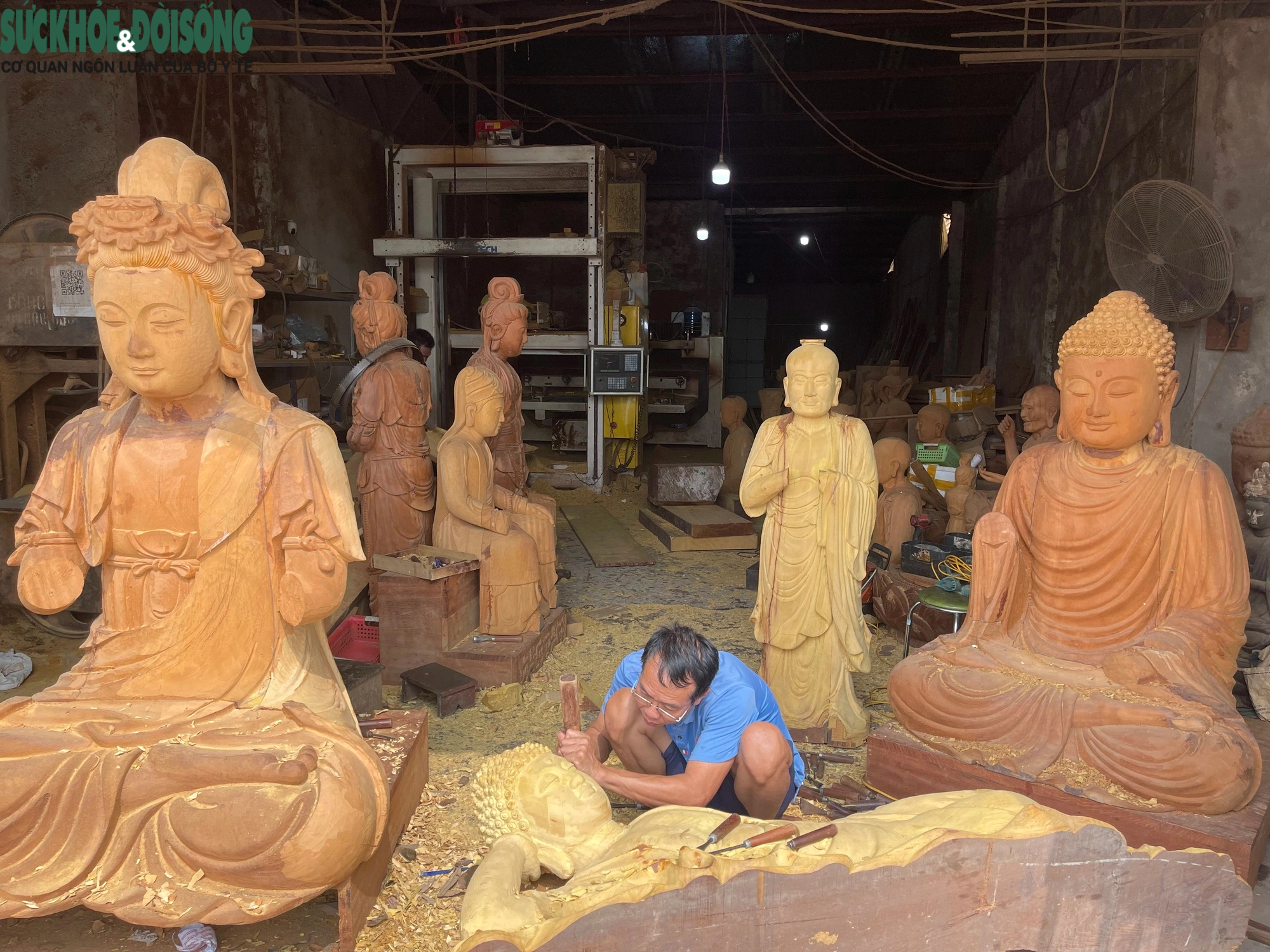
Son Dong Village specializes in wood carving and religious statues. Found in Hoai Duc District, it plays a key role in preserving traditional art.
Through skilled techniques, artisans turn raw wood into detailed sculptures. In addition, these works reflect spiritual beliefs and cultural traditions. Because of this, Son Dong products hold both artistic and symbolic value.
9. Dao Thuc Water Puppet Village

Dao Thuc Village is recognized for preserving water puppetry. Located in Dong Anh District, it has maintained this art form for centuries.
This unique performance uses wooden puppets on water to tell folk stories. Not only does it entertain audiences, but it also shares historical and cultural knowledge. Today, performances take place both in Vietnam and internationally.
10. Chuon Ngo Mother-of-Pearl Inlay Village

Chuon Ngo Village is famous for its mother-of-pearl inlay craft. Situated in Phu Xuyen District, it produces detailed decorative wooden items.
Creating these products requires patience and precision. In addition, artisans need a strong sense of aesthetics. As a result, each piece features unique patterns made from natural shells.
Each traditional craft village in Hanoi reflects a unique part of Vietnamese culture. More importantly, these villages protect and promote traditional craftsmanship. When visiting, travelers not only see beautiful products but also experience the stories behind them.
In conclusion, exploring Hanoi’s craft villages offers more than sightseeing. Instead, it provides a deeper journey into Vietnam’s cultural heritage.
0 Comment