Phu Quoc’s Beaches & Nature
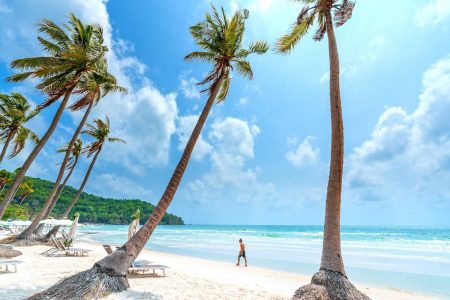
Phu Quoc’s 150-kilometer coastline, with gentle waves and transparent turquoise water, makes it Vietnam’s most popular destination for water sports. If you’d prefer to lounge, head to Long Beach, which spans 20 kilometers of unobstructed sunsets. Further north, dirt roads and secluded resorts keep tree-lined beaches like Ganh Dau and Bai Thom hidden from crowds.
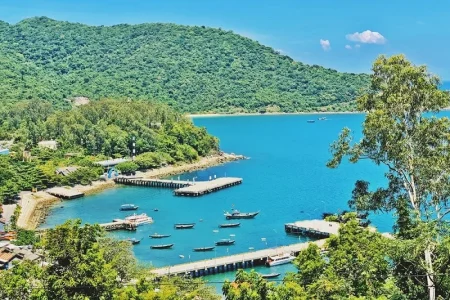
Adventurous travelers can trek the mountain range that spans the length of the island, but even short walks through the evergreen forest reward explorers with waterfalls, rock pools, and caves.
Culture and Heritage
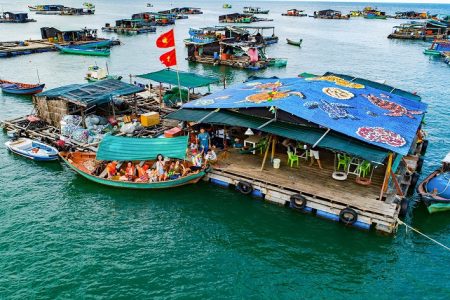
Phu Quoc is famous for its fish sauce, and it’s well worth touring a fish sauce factory to see how this fermented treasure is made. For a glimpse into everyday life, visit a traditional fishing village like Ham Hinh to eat fresh seafood at a floating restaurant (try it with locally-cultivated black pepper, another delicacy!).
Travelers interested in local culture and history will enjoy educational sites like Cay Dua prison and temples like Cao Dai, where believers follow a unique religion that synthesizes elements of Christianity, Buddhism, Islam, Confucianism, Hinduism, Genie, and Taoism.
Phu Quoc Weather – When to Visit
Phu Quoc is warm and comfortable year-round, with an average temperature hovering around 27°C. It’s coolest in the dry season between October and March, and hottest in April and May, when the rain begins to take hold. By July, the rainy season is in full swing, bringing cooler temperatures until October.
Travel Advisory
Due to the COVID-19 pandemic, Vietnam’s borders have been closed to tourists since March 2020. Only citizens, diplomats, investors, and highly skilled foreign specialists have been currently allowed into the country since then.
From November 2021, Phu Quoc Island will open to an unlimited number of vaccinated tourists, who will be able to travel to the island without quarantine requirements. Please check the current travel advisory for updates and application details.