
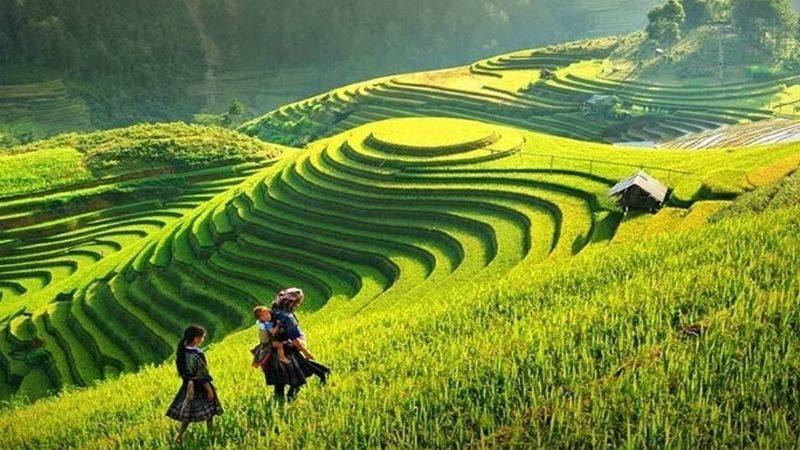

Overview of Muong Hoa Valley – A Must-Visit Destination in Sa Pa
Muong Hoa Valley is one of the most famous attractions in Sa Pa, attracting thousands of visitors each year thanks to its breathtaking terraced rice fields, fresh mountain air, and peaceful ethnic villages. Located in Ta Van Commune, Lao Cai Province, this valley is often considered the heart of Sapa’s natural beauty.
Not only does Muong Hoa Valley impress travelers with its winding roads and majestic mountains, but it also captivates them with endless rice terraces stretching across the hills. Moreover, a gentle stream flows through the valley, adding charm and vitality to the landscape. As a result, the scenery changes beautifully in every season, yet it remains stunning all year round.
In addition to sightseeing, visitors can explore local villages, experience ethnic minority culture, and enjoy traditional Northwest cuisine. Therefore, Muong Hoa Valley is not just a sightseeing spot but also a cultural and culinary destination.
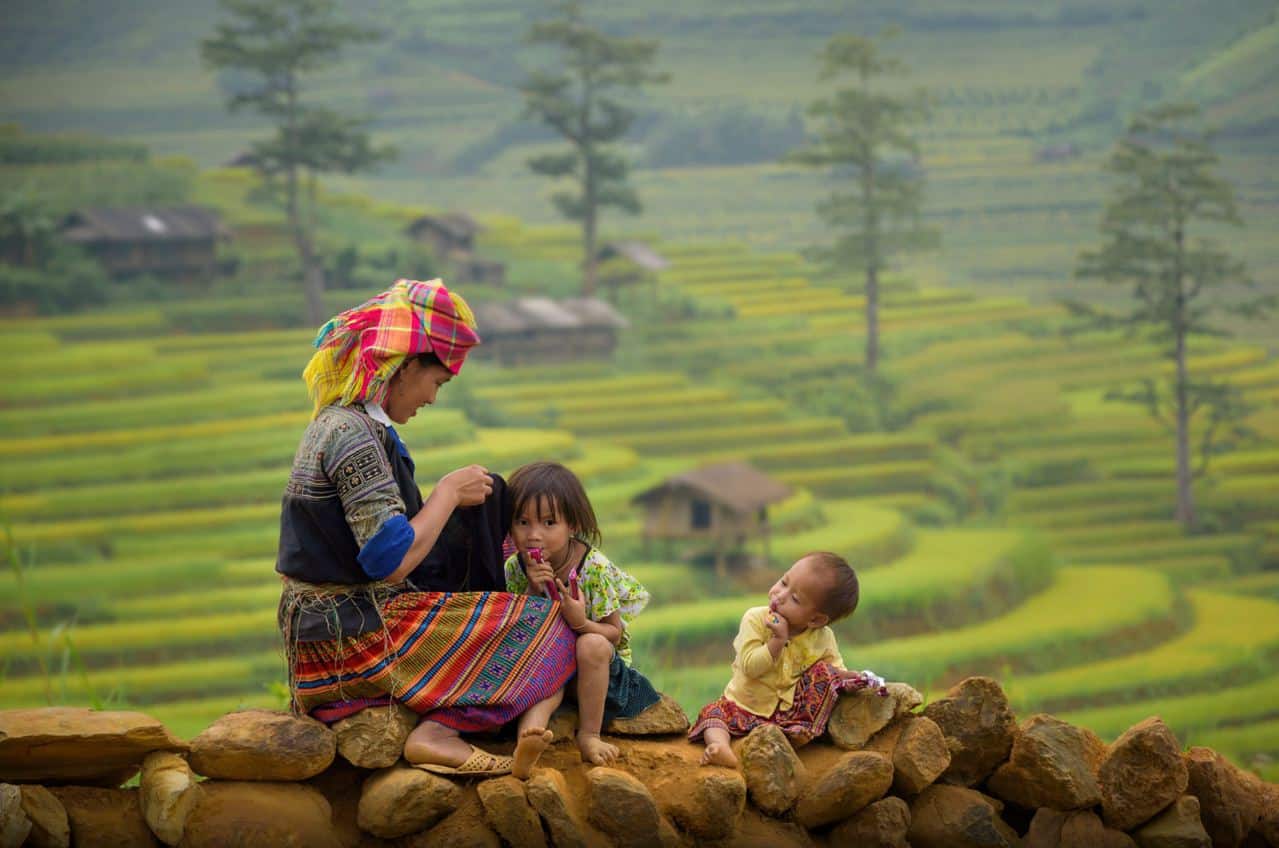
Houses nestled among terraced rice fields in the Muong Hoa Valley (Photo: collected)
1. Location and Entrance Fee
Address: Ta Van Commune, Lao Cai Province
Distance from Sapa Town: About 10 km southeast
Entrance Fee (Reference)
Adults: 150,000 VND/person
Children (6–12 years old): 100,000 VND/person
Children under 6: Free
Note: Ticket prices may change over time. Therefore, visitors should check the latest information before traveling.
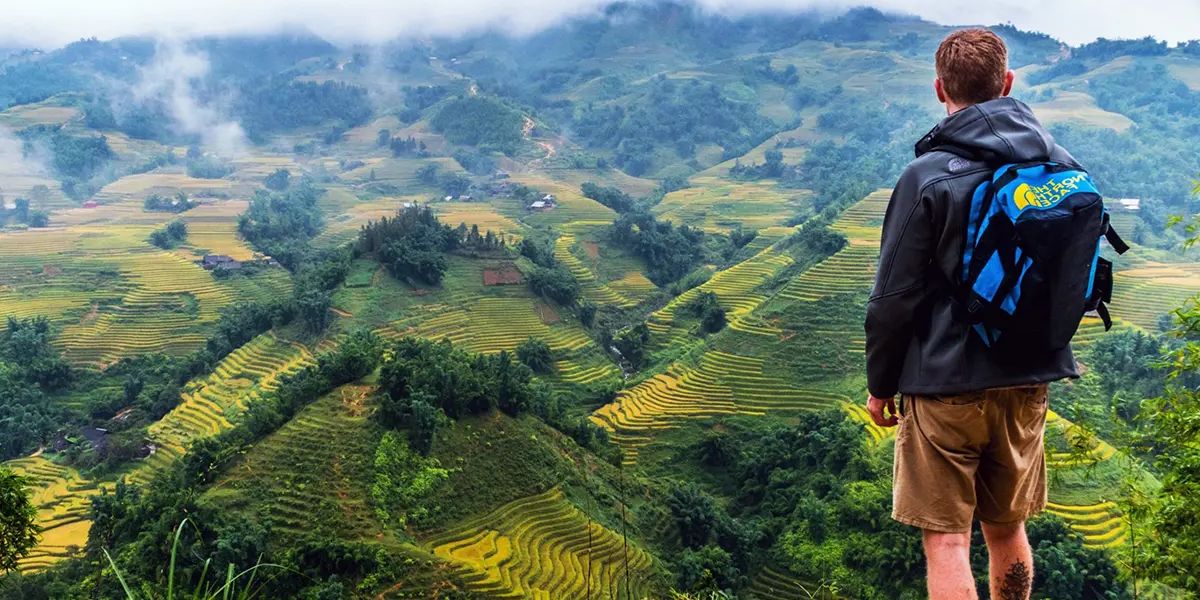
Tourists travel along the trails to explore the valley (Photo: collected)
2. How to Get to Muong Hoa Valley
From Sapa town center, visitors must cross a mountain pass along the Hoang Lien Son range to reach Muong Hoa Valley. Although the road is scenic, it can be challenging for inexperienced drivers.
You can choose one of the following transportation options:
Motorbike: Ideal for adventure lovers who enjoy exploring mountain roads.
Taxi: Safer and more comfortable, especially for families.
Mountain railway: A convenient option offering panoramic valley views.
Cable car (combined with Fansipan visit): Perfect for those who want to explore more attractions in one trip.
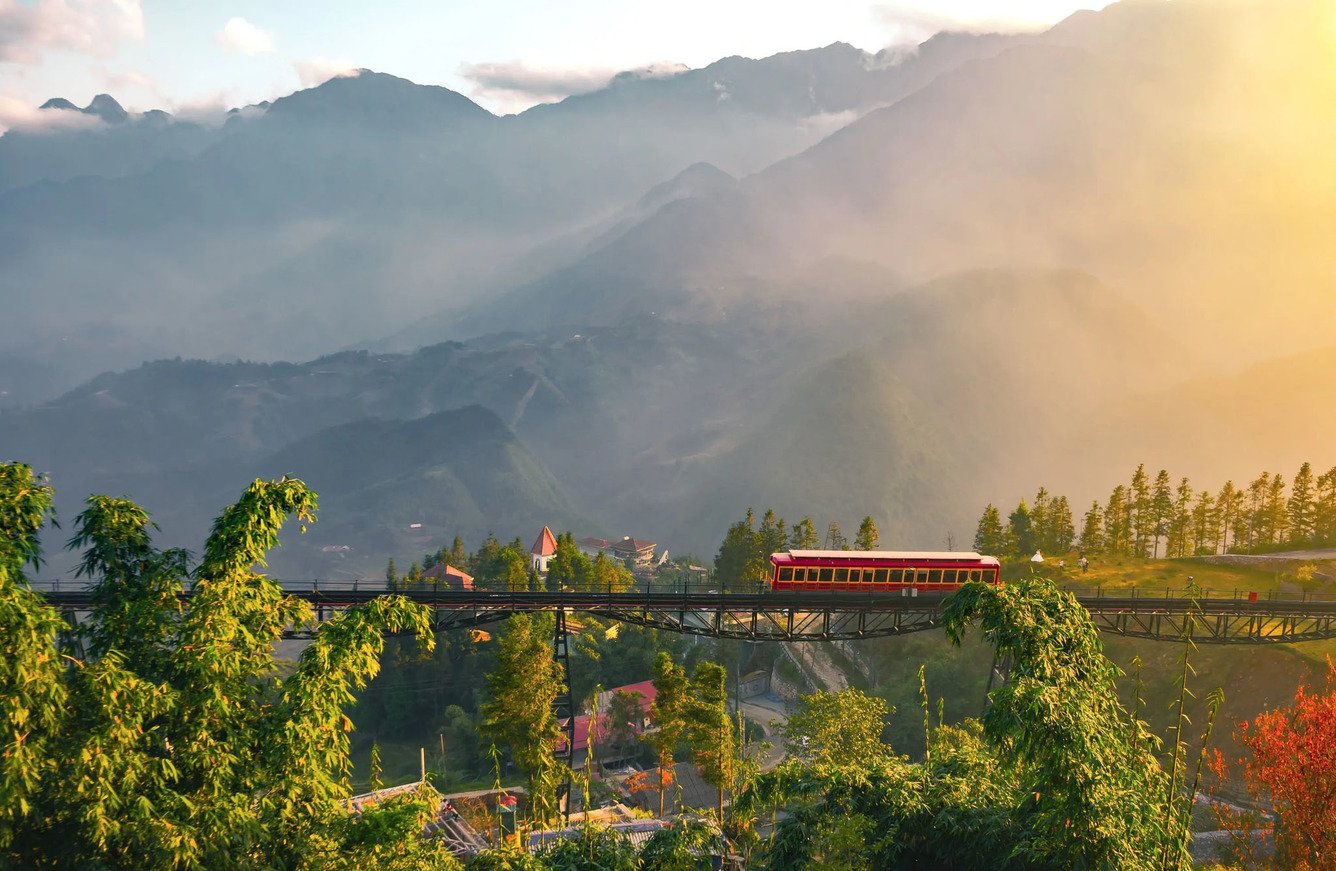
The railway route through the Fansipan and Violet area is approximately 2.3 km long and takes around 8 minutes. If you are not confident driving on steep or winding roads, choosing a taxi is highly recommended.
3. Best Time to Visit Muong Hoa Valley
Although Muong Hoa Valley is beautiful throughout the year, two seasons are especially popular among tourists.
Water Season (May – June)
During this period, water flows into the terraced rice fields, creating mirror-like reflections of the sky. As a result, the landscape becomes magical and highly photogenic. Therefore, this is the best time for photography lovers.
Harvest Season (September – October)
In contrast, the harvest season transforms the valley into a golden paradise. The rice fields turn bright yellow, creating a warm and romantic atmosphere. Consequently, many travelers visit Sapa during this time to witness the iconic terraced rice fields at their most beautiful stage.

Muong Hoa Valley during the rice harvest season (Photo: Collected)
4. Top Things to Do in Muong Hoa Valley
Enjoy the View from Above
One of the best ways to admire Muong Hoa Valley is from a higher viewpoint. From above, the rice terraces look like giant steps carved into the mountains.
Experience the Muong Hoa Mountain Railway
The Muong Hoa Mountain Railway offers spectacular panoramic views of the valley. As the train moves through the mountains, passengers can see rice terraces, small villages, and the Muong Hoa Stream from the window. In addition, the journey is short yet incredibly scenic.
Take the Cable Car to Fansipan
The cable car provides a wide aerial view of Muong Hoa Valley and nearby villages such as Lao Chai and Ta Van. Furthermore, visitors can combine this experience with a trip to Fansipan, known as the highest peak in Indochina.
Explore the Terraced Rice Fields
Terraced rice fields are the highlight of Muong Hoa Valley. Stretching across hillsides, they create a unique and impressive landscape.
Each season offers a different experience:
May–June: Fields filled with water reflecting the sky
July–August: Lush green rice plants growing strongly
September–October: Golden harvest season
As you walk through the fields, you will feel the fresh air and peaceful atmosphere. In other words, this activity allows you to fully connect with nature.
Visit Sapa Ancient Rock Field
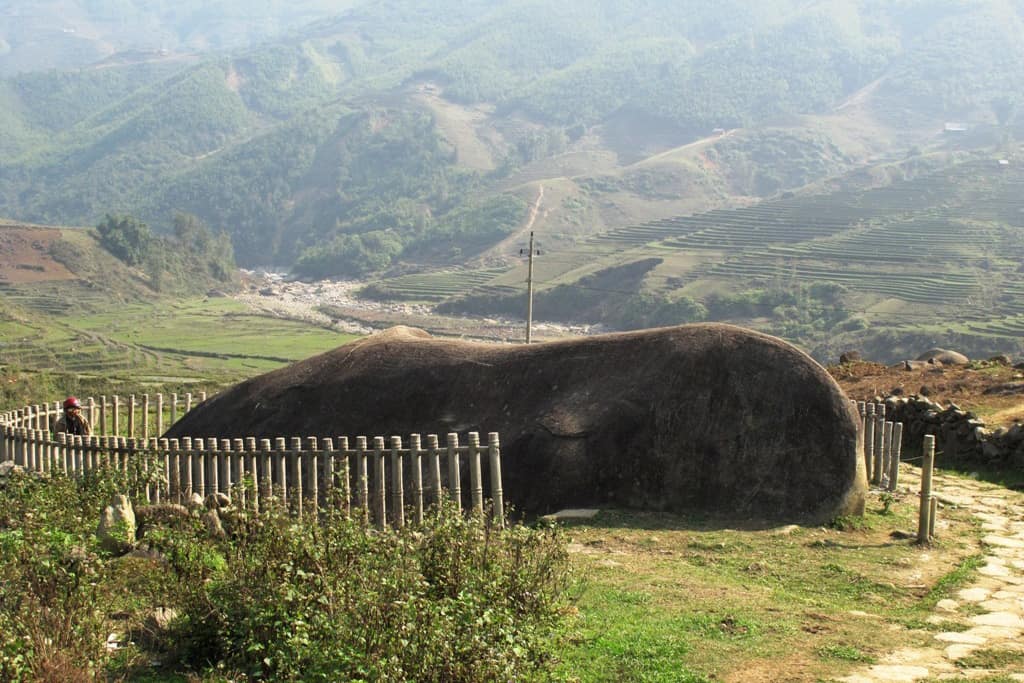
A large rock in the ancient rock formations of Sa Pa (Photo: collected)
Discover Muong Hoa Stream
Muong Hoa Stream flows gently through the valley and provides water for the rice fields. Originating from Silver Waterfall, it runs nearly 15 km before reaching Ban Ho.
At times, the stream flows peacefully through flat areas. However, in mountainous sections, the water becomes stronger and more dynamic. Thanks to this contrast, the stream adds both softness and vitality to the valley.

The Muong Hoa stream meanders through the terraced rice fields (Photo: collected)
Explore Ethnic Villages in Muong Hoa Valley
Cat Cat Village: Famous for traditional H’Mong culture and scenic beauty.
Lao Chai Village: Surrounded by mountains and rice fields, offering breathtaking views.
Ta Van Village: Peaceful and perfect for homestay experiences.
Ta Phin Village: Well known for Red Dao herbal baths.
Therefore, visiting these villages allows travelers to better understand local customs, traditional clothing, and daily life in the Northwest region of Vietnam.
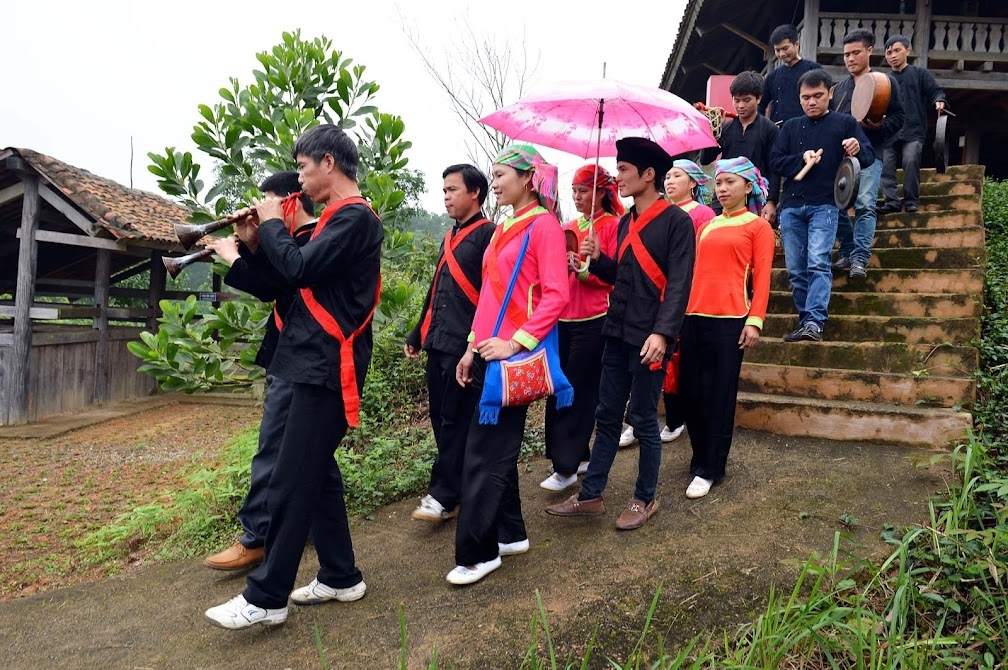
A joyful and lively atmosphere during the New Year celebration of the Giáy people (Photo: collected)

Cat Cat Village, Sa Pa, Lao Cai (Photo: collected)
5. What to Eat in Muong Hoa Valley
Popular dishes include:
Smoked buffalo meat
Grilled stream fish
Roasted pork
Horse meat stew
These dishes are prepared with unique local spices such as mắc khén and dổi seeds. As a result, the flavors are rich, aromatic, and unforgettable.
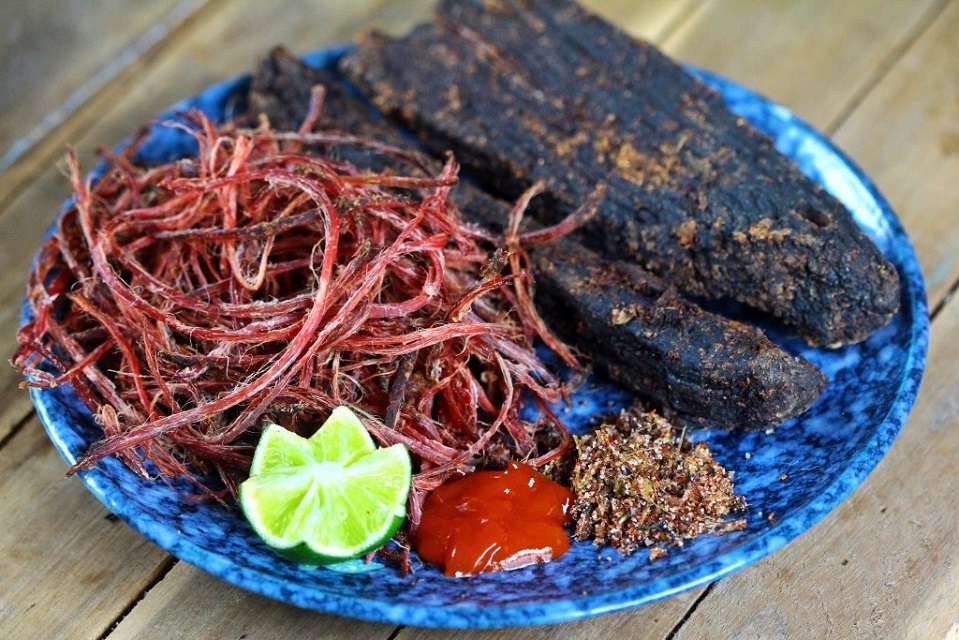
Sa Pa’s specialty smoked buffalo meat (Photo: collected)
0 Comment