


Jeju Island Travel Guide – The Paradise Island of South Korea
Jeju Island travel is a dream for many travelers. Known as the “Hawaii of South Korea,” Jeju Island attracts visitors with its clear beaches, volcanic landscapes, fresh seafood, and peaceful atmosphere.
In this complete Jeju Island travel guide, you will discover the best time to visit, entry requirements, transportation options, top attractions, food recommendations, and useful travel tips for a smooth journey. Let’s explore Jeju Island with SeA Travel!
1. Introduction to Jeju Island
Located about 130 km south of mainland South Korea, Jeju Island (Jejudo) is the largest island in the country. The island covers 1,846 km² and was formed by volcanic eruptions millions of years ago. Because of this, Jeju is famous for its black lava rocks and unique natural scenery.
Jeju is often called the “Hawaii of South Korea” thanks to its mild climate and beautiful beaches. The island became popular after Korean dramas such as Winter Sonata showcased its romantic landscapes.
Today, Jeju Island is one of the most visited destinations in South Korea. It is home to Hallasan Mountain – the highest peak in the country and a UNESCO World Natural Heritage Site.
Besides nature, Jeju also offers rich culture. Visitors can see traditional villages, Dol Hareubang stone statues, and experience the peaceful local lifestyle.

Jeju is often referred to as the “Hawaii of South Korea.”
2. Best Time to Visit Jeju Island
Choosing the right season is important when planning your travel to Jeju Island.
Spring (March – May)
Spring is one of the best times to visit Jeju. The weather is warm and comfortable. Cherry blossoms bloom across the island. Many festivals take place during this season.
Summer (June – August)
Summer is perfect for beach lovers. You can swim, surf, and enjoy the blue sea. However, it can be hot and crowded.
Autumn (September – November)
Autumn offers cool weather and colorful landscapes. It is ideal for hiking Hallasan Mountain and sightseeing. Many travelers consider this the best season for photography.
Winter (December – February)
Winter in Jeju is quiet and peaceful. Snow usually appears on Hallasan Mountain. This season is suitable for travelers who want relaxation.
Best seasons: Spring and Autumn are the most recommended times for Jeju Island travel.

3. Entry Requirements and Transportation to Jeju Island
Entry Requirements
Travelers from Vietnam must check visa requirements before visiting Jeju Island. In most cases, a South Korean tourist visa is required unless specific visa-free conditions are met.
Make sure your passport is valid for at least six months. Always check updated entry policies before departure.
Flights to South Korea
There are direct flights from Vietnam to South Korea operated by:
Vietjet Air
Vietnam Airlines
Korean Air
Asiana Airlines
Ticket prices vary depending on the route and season. Booking 1–2 months in advance helps you save money.
Transportation from Incheon Airport
From Incheon International Airport, travelers can take the AREX Express Train to Seoul Station. The journey takes about 43 minutes.
Transportation in South Korea
– Subway
Available in major cities like Seoul and Busan.
Operating hours: 5:30 AM – 12:00 AM.
Fast, safe, and convenient.
– Bus
Affordable and widely available.
Waiting time: 10–15 minutes.
– Taxi
Comfortable and flexible.
Note: A 20% surcharge applies from midnight to 4:00 AM.
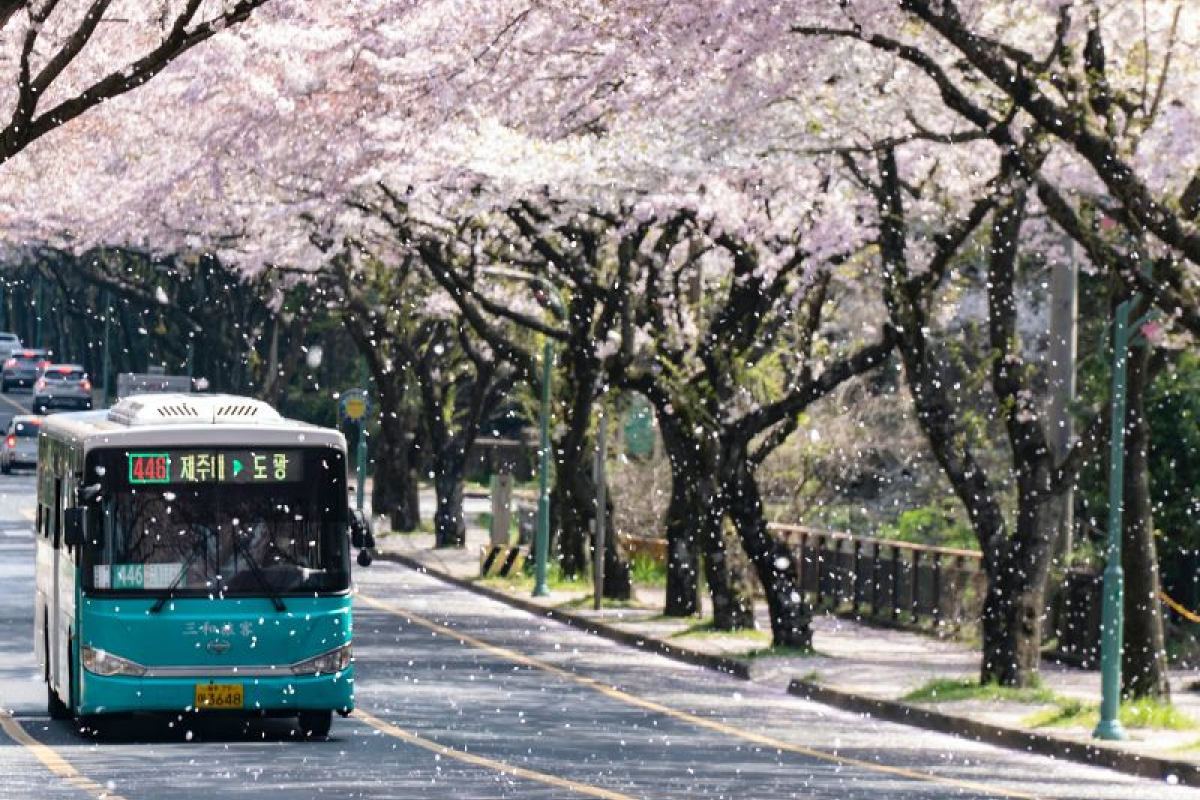
Buses are a popular mode of transportation on Jeju Island.
4. Accommodation in Jeju Island
Jeju offers accommodation for every budget.
Luxury Resorts
Perfect for relaxing holidays near beaches.
5-Star Hotels
Modern facilities and ocean views.
Budget Hotels & Guesthouses
Affordable and ideal for independent travelers.
Tip: Book early during peak season to get better prices.
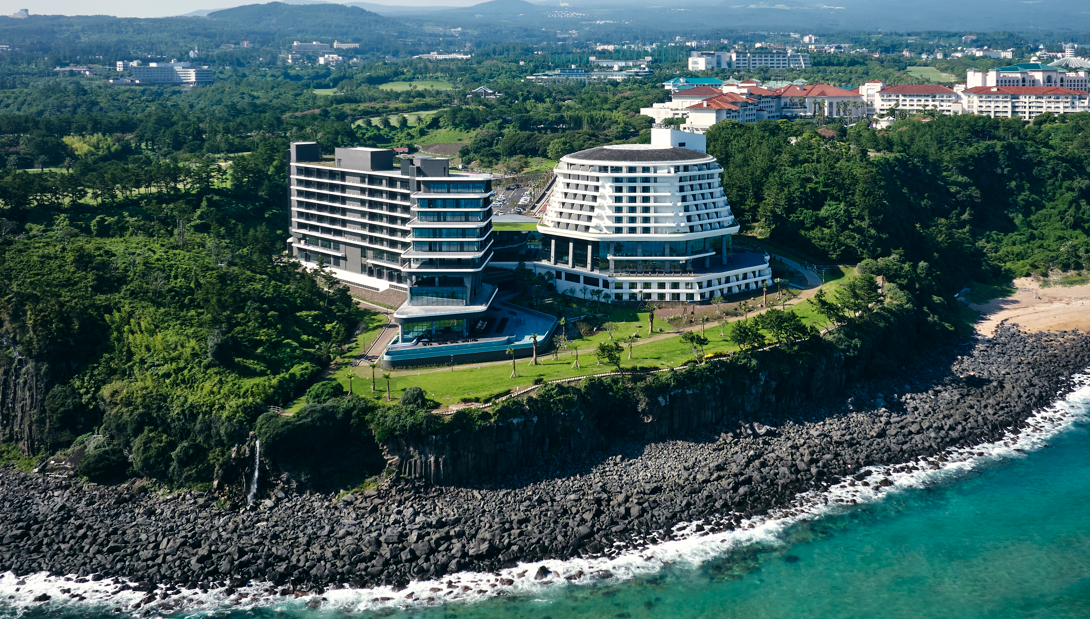
Jeju Island offers a wide variety of accommodation options to suit every budget.
5. Top Things to Do in Jeju Island
Here are the must-visit places in Jeju Island:
Hallasan Mountain
Manjanggul Lava Cave
Jusangjeolli Cliff
Seongeup Folk Village
O’Sulloc Green Tea Field
Yusuam Village
These attractions show the natural beauty and culture of Jeju.
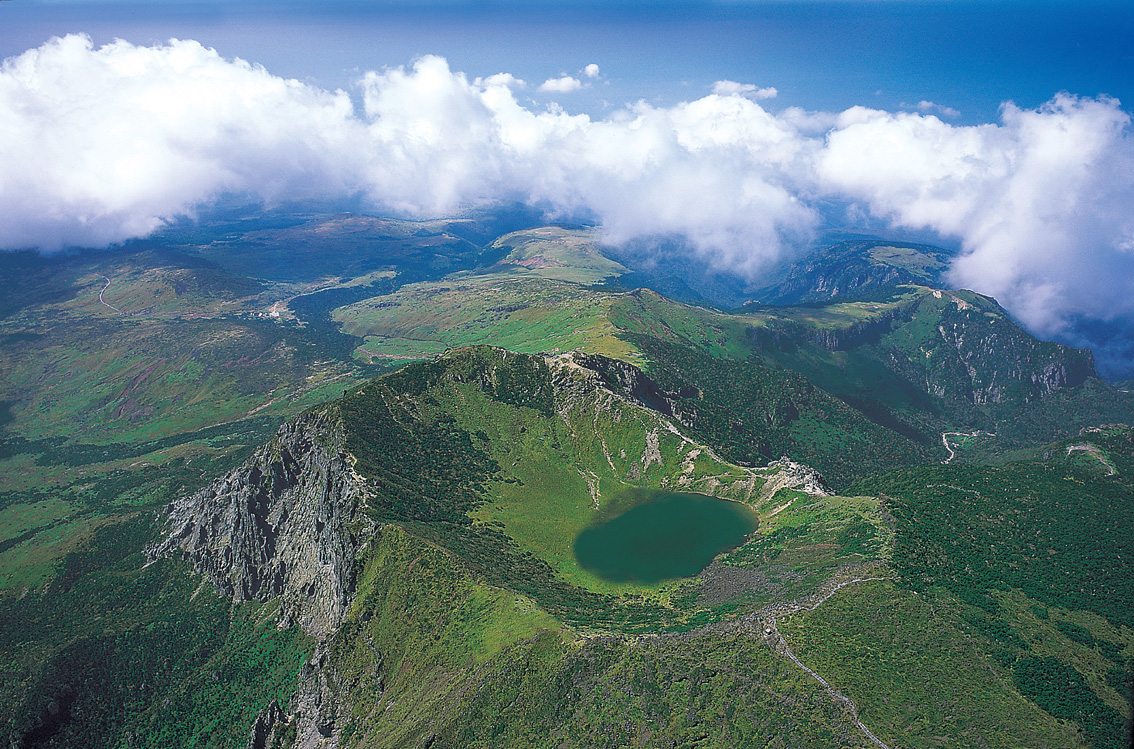
Hallasan is the highest volcano in South Korea.

Jusangjeolli Cliff was formed from rocks that broke apart under the pressure of volcanic lava.
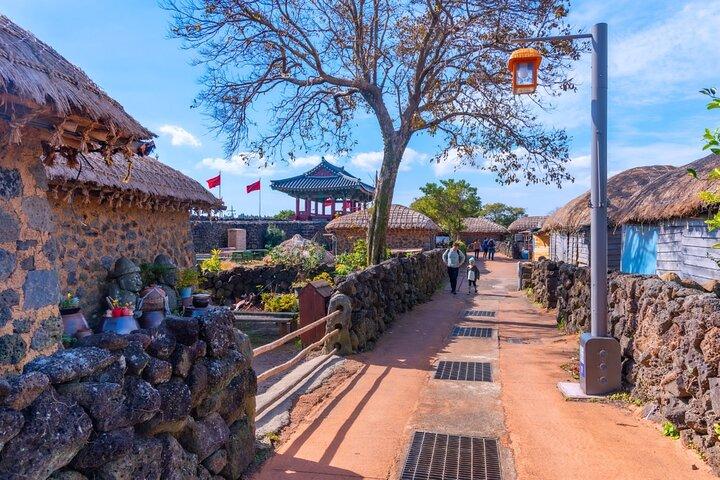
Seongeup Folk Village is one of the oldest villages, dating back over 400 years.
6. Exciting Activities in Jeju
Jeju Island is not only about sightseeing. You can also enjoy:
Paragliding
Scuba diving
Kayaking
Hiking
Beach camping
These activities make your Jeju Island trip more exciting.
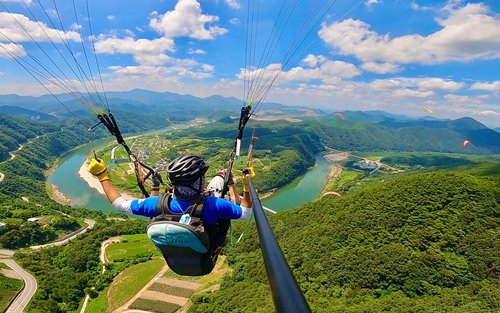
Paragliding is an extreme sport that is popular with many tourists.
8. What to Eat in Jeju Island
Jeju cuisine is fresh and flavorful. Must-try dishes include:
Jeju Black Pork
Abalone Porridge
Fresh Sashimi
Buckwheat Noodles
Jeju Tangerines
Food is an important part of your Jeju travel experience.

Black pork is made from pigs raised on Jeju Island.
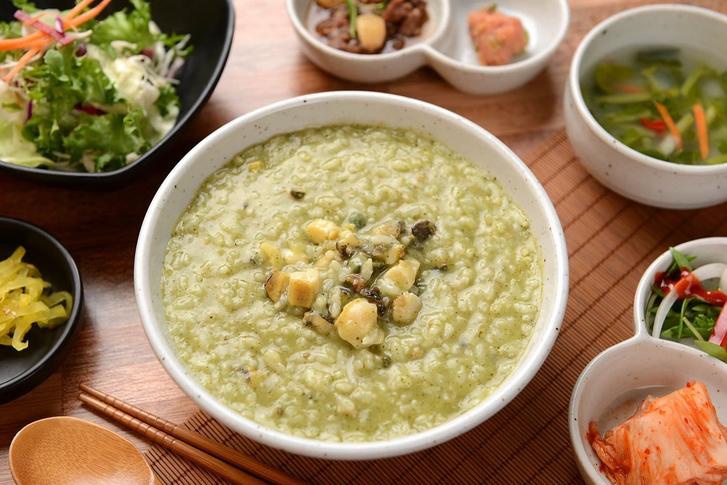
Abalone porridge is a nutritious dish made with fresh abalone caught directly from the sea.
8. Souvenirs to Buy in Jeju
Popular souvenirs from Jeju Island:
Tangerines
Green tea products
Dol Hareubang statues
Dried seafood
Hallasan Soju
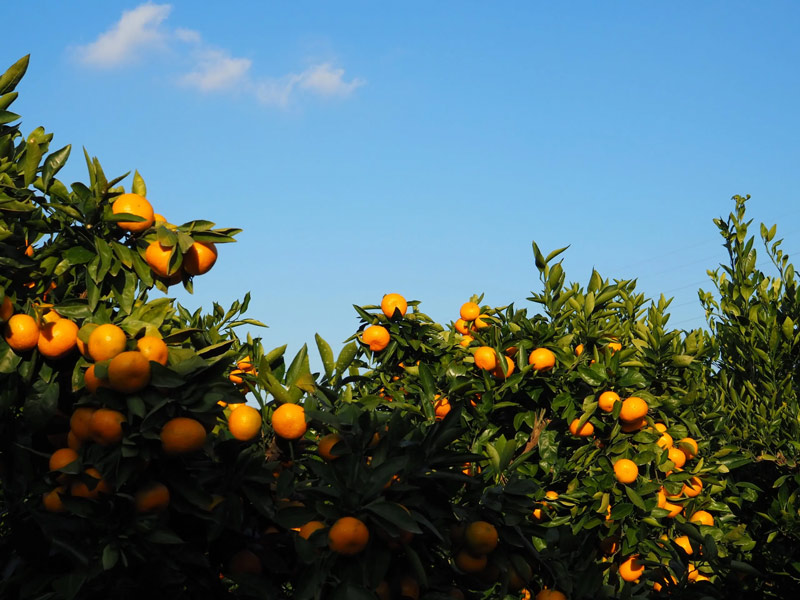
Jeju tangerines are a famous specialty of Jeju Island.
9. Important Travel Tips for Jeju Island
To ensure a smooth trip:
Check visa requirements carefully
Exchange Korean Won before departure
Book flights and hotels early
Prepare warm clothes in winter
Buy a local SIM card for easy navigation
0 Comment