


Vietnam is one of the most fascinating travel destinations in Southeast Asia, known for its breathtaking landscapes, rich culture, and delicious cuisine. However, before planning your trip, it is important to understand some essential travel tips for Vietnam to ensure a safe, smooth, and enjoyable journey.
From local customs and transportation to weather conditions and food safety, knowing what to expect will help you travel with confidence. In this guide, you will discover the most important things to know before traveling to Vietnam, so you can fully enjoy your experience while avoiding common travel mistakes.
1. Familiarize yourself with the schedule.
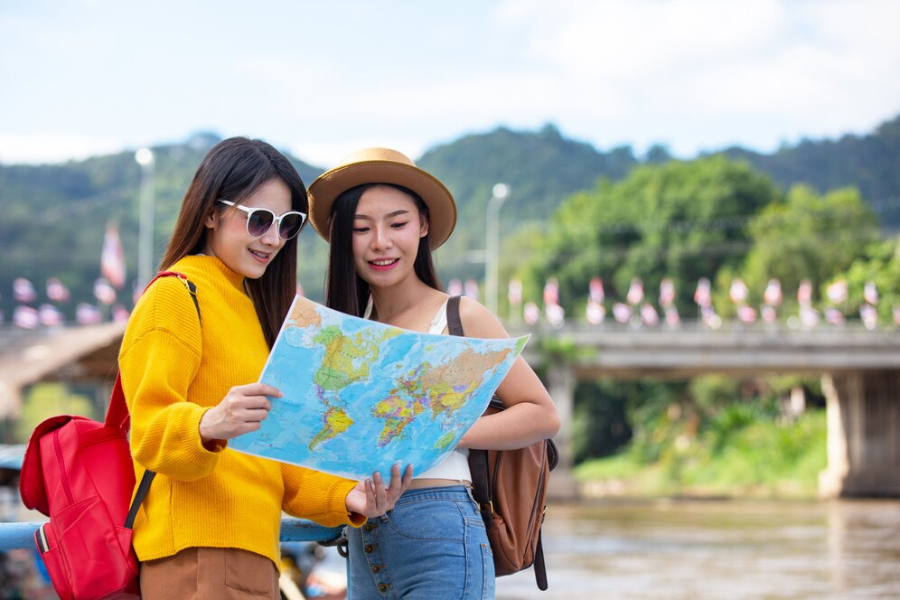
Mastering your itinerary is a crucial step you should take when returning to Vietnam to enjoy a memorable trip. Besides visiting family, friends, and fellow countrymen in Vietnam, having a well-planned schedule allows you to explore your homeland more, maximize your destinations, and enhance your experiences. For example, if you have a week to explore Northern Vietnam, you should know where to go first and where to go later to optimize your travel time…
Detailed tour itinerary information helps you make the right decision, one that suits your needs and preferences. For example, if you’re traveling with family, choosing a tour with a flexible itinerary helps avoid fatigue for the elderly or young children.
Furthermore, familiarizing yourself with the itinerary of a tour helps you prepare better for the places you’re about to explore: which attractions to visit, where to take beautiful photos, how to pose, what food to try, and what kind of clothing to wear…
(Photo: Collected from various sources)
In summary: Organizing a detailed itinerary gives you the flexibility to participate in multiple tours, explore different places, and simultaneously dedicate precious time to meeting loved ones. This will make booking tours and flights easier, ensuring a memorable trip to beloved Vietnam.
2. Check the climate and weather conditions.
Check the weather conditions of your destination so you can prepare appropriate clothing and equipment. If possible, avoid periods of heavy rain or harsh weather. For convenience, bring personal items such as sunscreen, an umbrella, and a raincoat as needed.
Spring (March – May): Warm, pleasant weather with little rain. A good time to explore many places.
Summer (June – August): High temperatures, especially in the North and Central regions. Heavy rainfall, with the possibility of storms in July.
Autumn (September – November): The weather is cool and comfortable. There is less rain than in summer.
Winter (December – February): The North may be cold and dry, while the South is warmer. Rain is possible in the Central and Northern regions.
3. Note down important information.
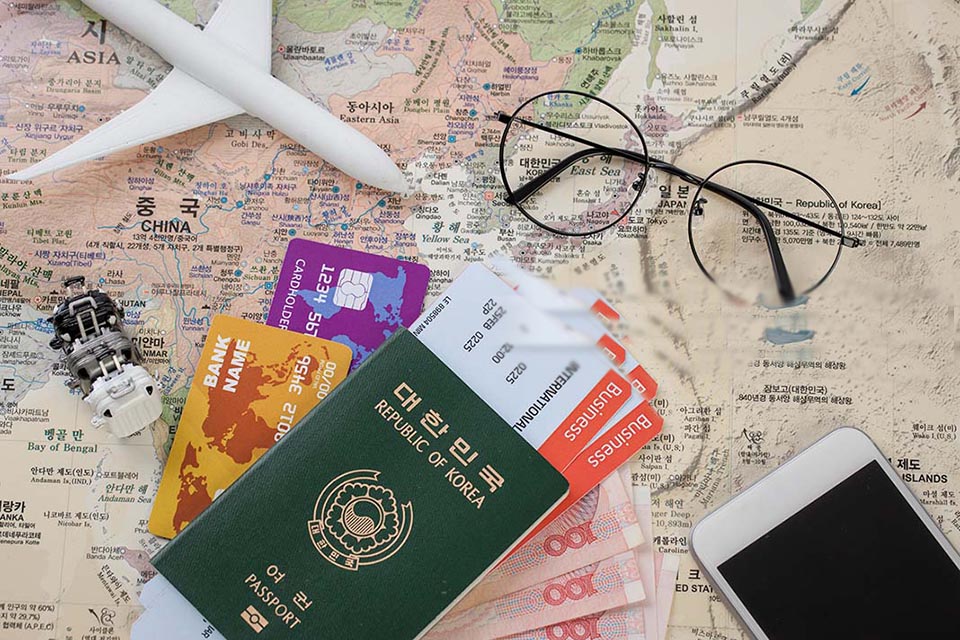
Take photos of your personal documents in case you lose them. Write down the guide’s contact information, accommodation details, and emergency phone numbers.
Keep the necessary documents such as:
– Passport, Citizen Identity Card.
– Travel insurance
– Airline tickets
– Confirm hotel booking in Vietnam
(Photo: Collected from various sources)
4. Items to bring
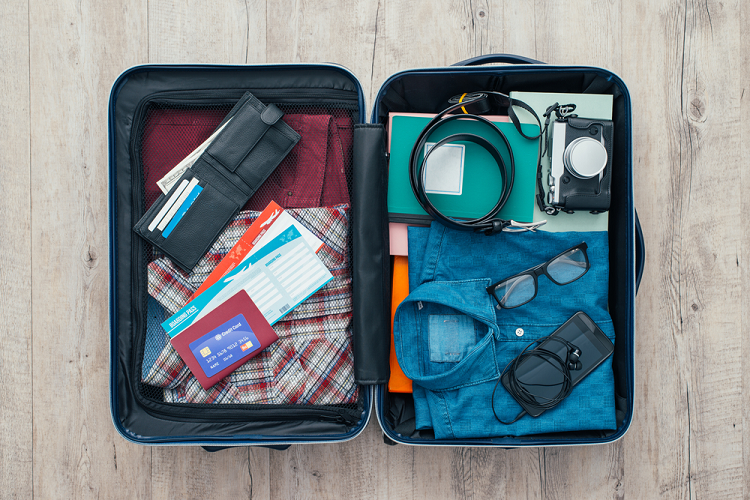
– Make sure you bring enough basic medications such as painkillers, diarrhea medication, or stomach ache medicine, especially insect repellent.
– Bring personal items such as hand sanitizer, wet wipes, and a flashlight.
– Prepare adequate and suitable clothing for the most enjoyable trip.
– A small handbag with essential items is also a good idea.
Prepare the necessary supplies (Photo: Collected)
5. Participate in group activities
– Make friends with other members of the group to enhance your social experience.
– Connect with other travelers on the tour, especially Vietnamese expats. Share experiences and ask about their perspectives on their homeland.
– Befriend your tour guide: Tour guides are very knowledgeable about local culture, landmarks, and cuisine. During the tour, you can always ask questions about the itinerary. For example, where can you find delicious and inexpensive food, or where can you buy souvenirs without overpaying? Don’t hesitate to ask them, because it’s a meaningful trip with your loved ones!
 (Photo: PYS Travel)
Notes regarding the elderly and young children.
If you’re traveling on a tour with elderly people and young children, you definitely need to pay attention to some basic things. These include medication and special dietary requirements. For example, your family might have vegetarians, someone who can’t eat seafood, or someone with allergies. Prepare thoroughly because if you choose an overseas trip, it will be difficult to buy supplies for yourself.
6. Notes on Local Culture
– Be familiar with the rules and cultural customs of your destination.
– Respect the traditions, rituals, and customs of the Vietnamese people. This respect is highly valued in Vietnamese culture.
– Interacting with locals should be done with respect and gentleness. Avoid using language or gestures that could be perceived as disrespectful.
– Vietnamese people generally value and respect the elderly. When meeting an elderly person, show respect and politeness.
– Respect and abide by the rules of the place you visit; you can ask your tour guide for more details.
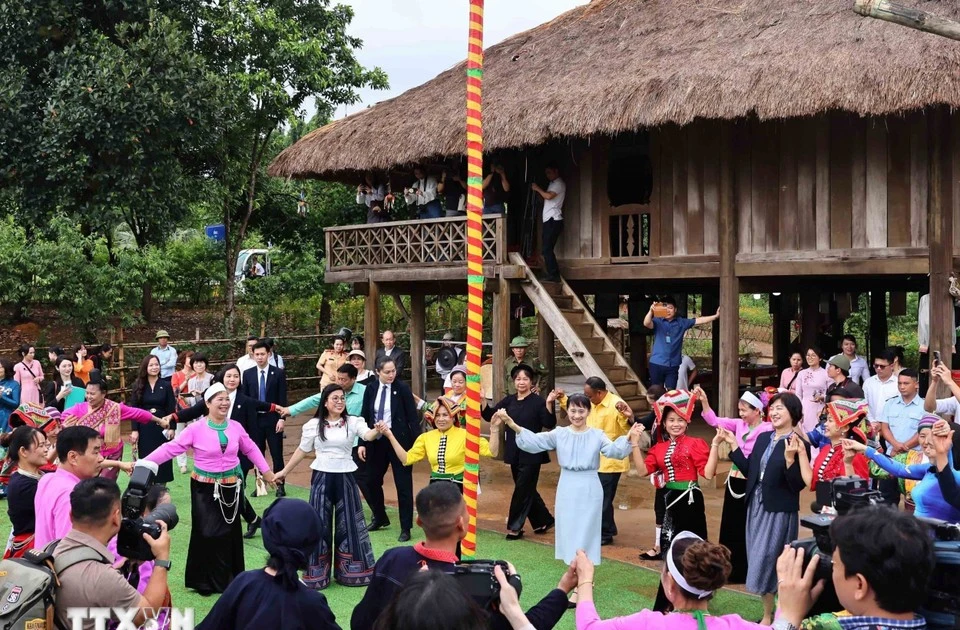
– Try the local cuisine and participate in cultural activities. This will help you better understand the daily lives of the local people.
Participating in local cultural activities (Photo: Collected)
7. Check reviews of the tour company beforehand.
Buy tours from reputable travel agencies.
When buying a tour, you shouldn’t only focus on the price but also consider the tour company, the itinerary, and their staff. Before booking, you should also check reviews and advice from family or friends who have previously used the services of the company you are planning to book with.
Choose a tour that suits your interests and age group.
You need to consider the purpose of your trip and your personal preferences to choose the most suitable tour. Before choosing a tour, don’t hesitate to provide personal information including age, interests, number of people traveling with you, and gender so that the travel company can advise and support you with the best tour.
Track discount codes
Some families might be interested in discounted tour deals. If you want to know what promotions a company has, simply check their official fan page and website. These channels will provide all the necessary information to their customers.
8. Notes on Cuisine
Northern Vietnamese cuisine – Gentle and refined
Northern Vietnamese culinary culture is the origin of Vietnamese food to this day. When talking about the people of Northern Vietnam, most people immediately think of their customs, gentleness, and traditions. This has profoundly influenced Northern Vietnamese cuisine to this day. When traveling to Northern Vietnam, you cannot miss dishes such as: Bun cha (grilled pork with vermicelli), Pho bo (beef pho), Banh Mi with sweet and sour pate, Banh cuon (steamed rice rolls), etc.
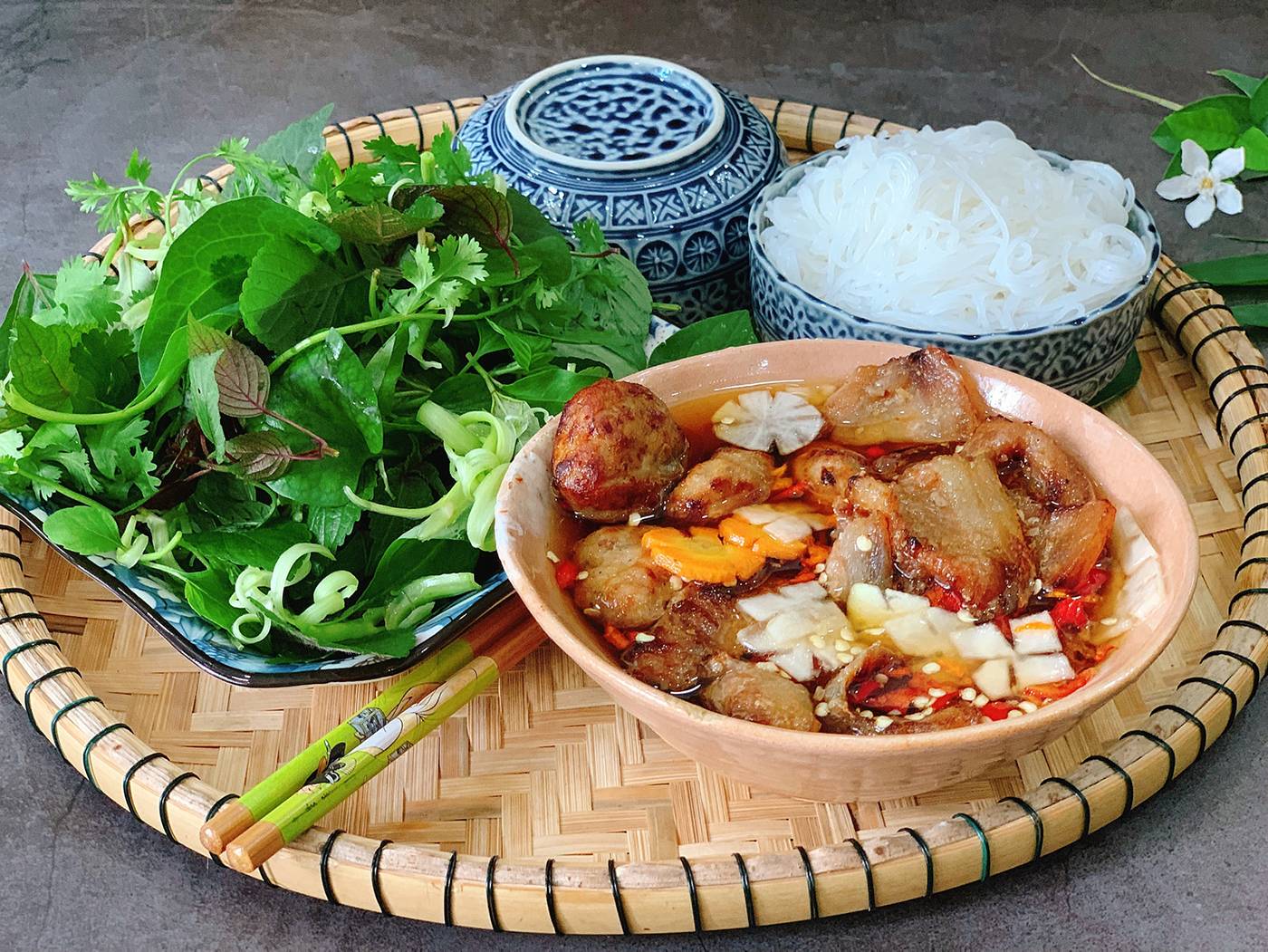
(Photo: Collected from various sources)
Central Vietnamese cuisine – Spicy and flavorful, the taste of home.
When talking about Central Vietnamese cuisine, almost everyone immediately remembers the intensely spicy flavor that tingles all the way to the throat. People in Central Vietnam are accustomed to eating spicy food, and most dishes use this spice.
Therefore, it’s understandable why a bowl of chili garlic fish sauce or a plate of fresh chilies is always included in a meal in Central Vietnam.
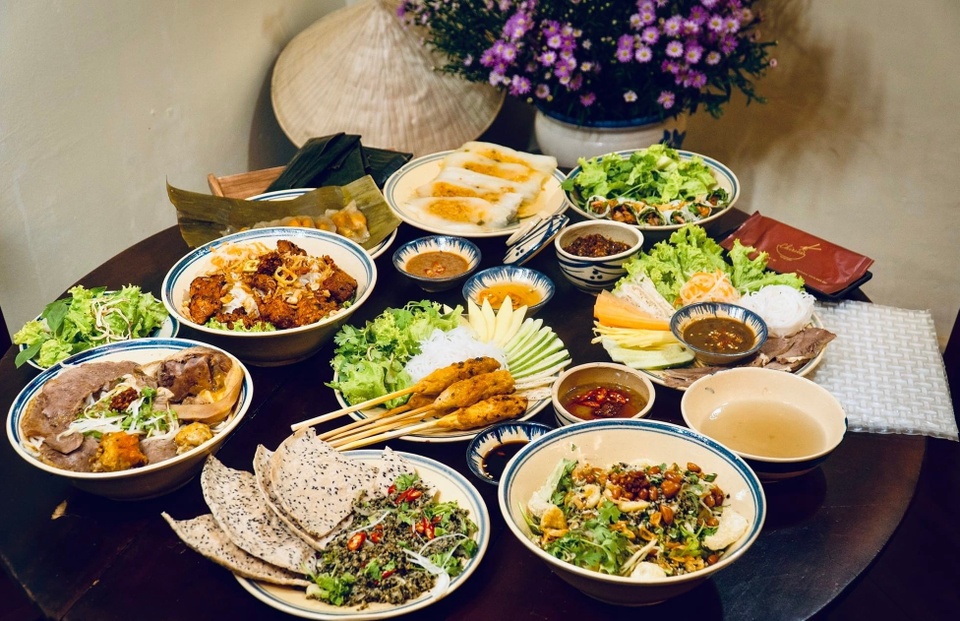
(Photo: Collected from various sources)
Southern Vietnamese cuisine – Sweetness and rustic charm.
The people of Southern Vietnam are simple and down-to-earth, and their cuisine is equally influenced by this. When talking about Southern Vietnamese cuisine, many people immediately think of the saying: “There are fish in the river, and vegetables on the shore.” This saying almost perfectly encapsulates the inherent characteristics of Southern Vietnamese cuisine. Southerners are open-minded and simple. Therefore, from their daily lives to their cooking methods, everything is familiar, simple, and unpretentious.

(Photo: Collected from various sources)
– Please inform your tour guide of any foods you cannot eat so they can prepare the best menu for you.
9. Research and list destinations.
If you’re planning a domestic trip in the summer, beach tourism is the ideal choice, with many destinations stretching from North to South: Ha Long, Da Nang, Quy Nhon, Nha Trang, Phan Thiet, Mui Ne… Alternatively, you can join tours to the Northeast and Northwest regions such as Ha Giang, Mai Chau, Moc Chau, Sapa… this is a popular trend among overseas Vietnamese. Below, PYS Travel will suggest some destinations for you:

Visiting tourist attractions in Vietnam (Photo: Collected)
A. Northern Vietnam Tourism
As the cool spring weather arrives, people everywhere are planning spring trips. The beginning of the year is the perfect time to explore the northernmost provinces. At this time, peach and plum blossoms bloom profusely along the roads, creating an incredibly charming beauty in the northernmost region of the country. Must-see destinations include:
1. Hanoi – The capital city with a thousand years of cultural heritage.
Hanoi, the capital city, is a destination steeped in ancient charm and a rich history spanning thousands of years. Traveling to Hanoi, you’ll experience a unique atmosphere unlike anywhere else; the profound tranquility of the capital leaves visitors with unforgettable memories and a lasting sense of nostalgia.

(Photo: collected from various sources)
Hanoi is a must-see destination on the map of Vietnamese tourist spots. The capital city captivates visitors with its tranquil old quarters, ancient atmosphere, exquisite architecture, and incredibly delicious cuisine.
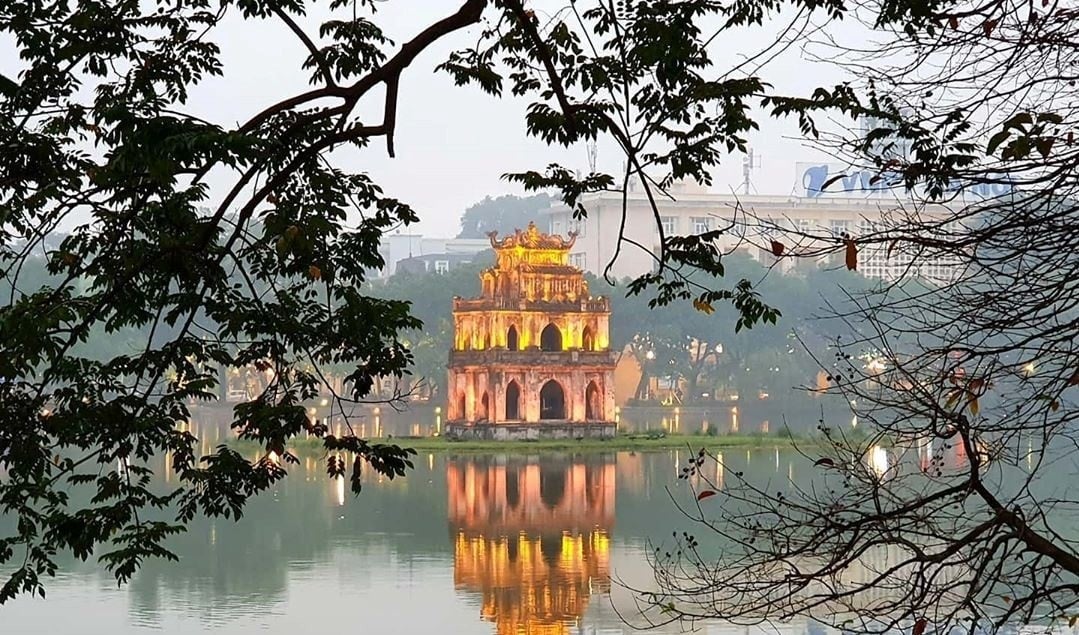
(Photo: collected from various sources)
When visiting Hanoi, you must definitely visit attractive tourist destinations such as Hoan Kiem Lake, Temple of Literature, West Lake, Thang Long Imperial Citadel, Long Bien Bridge, etc.
2. Ninh Binh
If you are a nature lover and seek relaxation in a peaceful and pristine environment, Ninh Binh is the ideal destination to experience the most beautiful lotus flower season. In Ninh Binh, you will have the opportunity to participate in tours to explore the stunning wetlands and grasslands, where lotus flowers bloom profusely amidst lush green rice fields.
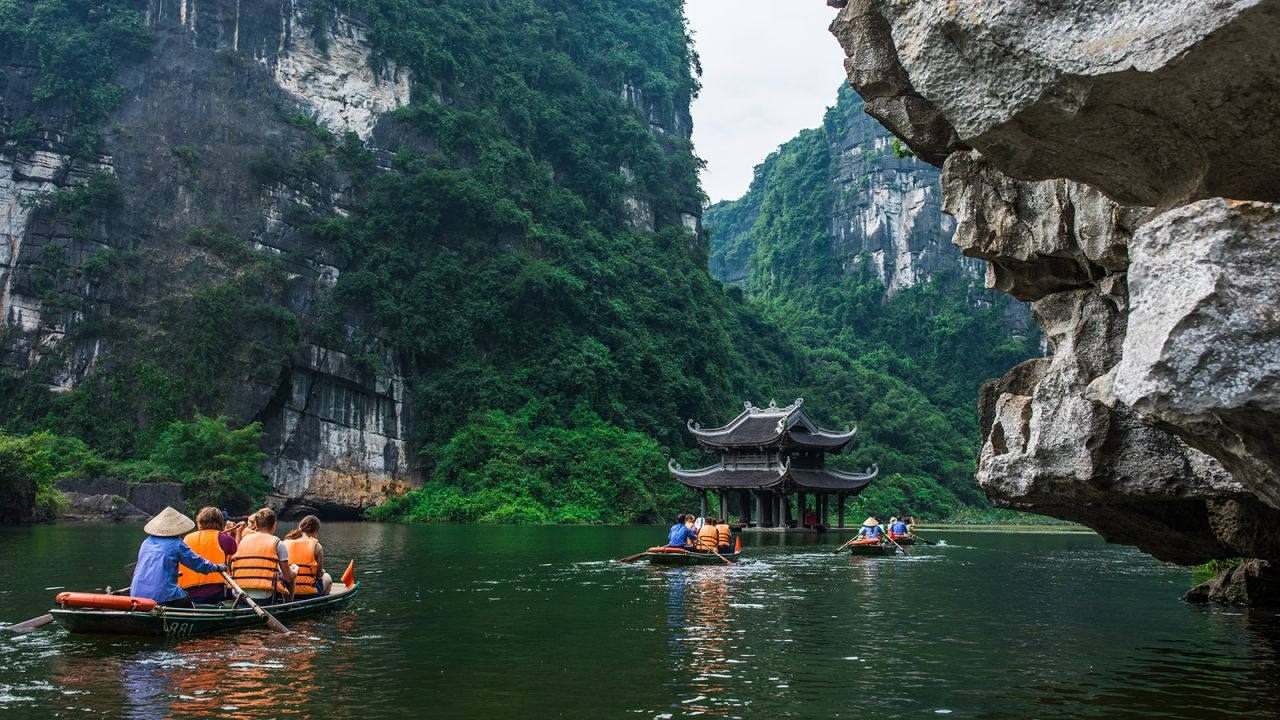
Trang An Wharf (Photo: Collected)
Ninh Binh’s stunning landscapes are also a major tourist attraction, with its canal-side dike roads, ancient temples, and magnificent caves. Ninh Binh is also known as the “Ha Long Bay on land” because it boasts numerous limestone mountains with unique, majestic, yet poetic and charming natural formations.
Sightseeing boat trip in Trang An (Photo: collected)
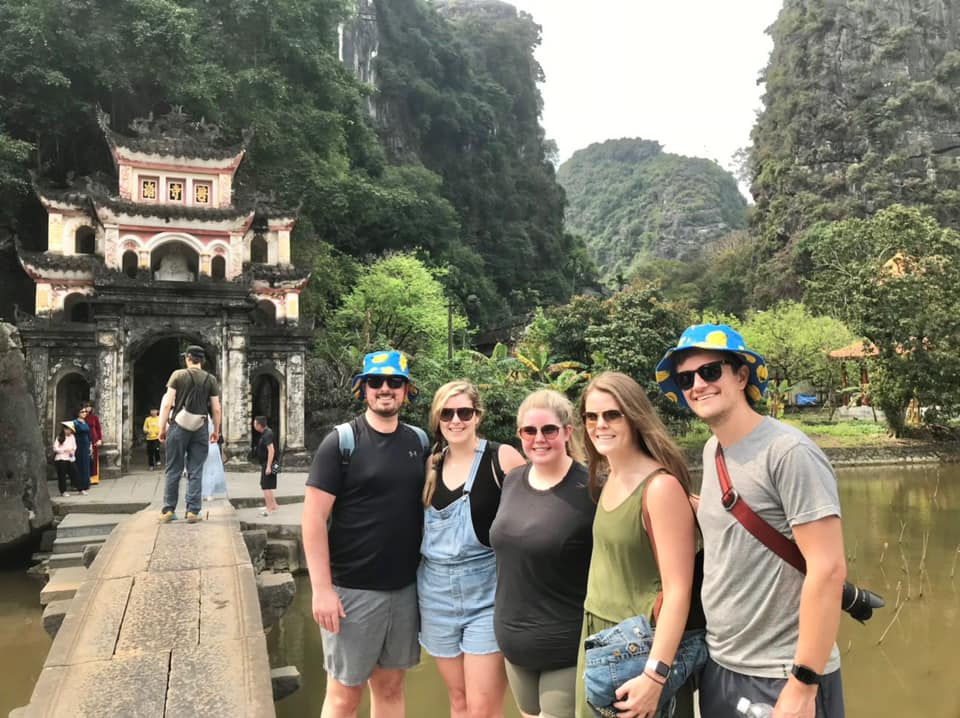
Additionally, you can also enjoy fun recreational activities such as boat trips on the Tam Coc River, mountain climbing to admire the panoramic view of Ninh Binh, or renting bicycles to explore the ancient town of Trang An. Ninh Binh is also an ideal destination for those who want to learn about Vietnamese culture and history, with ancient cultural and architectural heritage sites such as the Dinh Tien Hoang Temple, Hoa Lu – the capital of Dai Viet in the 10th-11th centuries, or the tombs of the emperors.
3. Ha Giang – The land at the northernmost point of the country.
There’s always a great time to visit Ha Giang, one of Vietnam’s most beautiful regions. During this time, you’ll experience the most spectacular buckwheat flower season – a characteristic flower of the northern mountainous region. When it first blooms, it’s pure white, then it changes to light pink, soft purplish-pink, then dark red, and finally turns black when it fades.
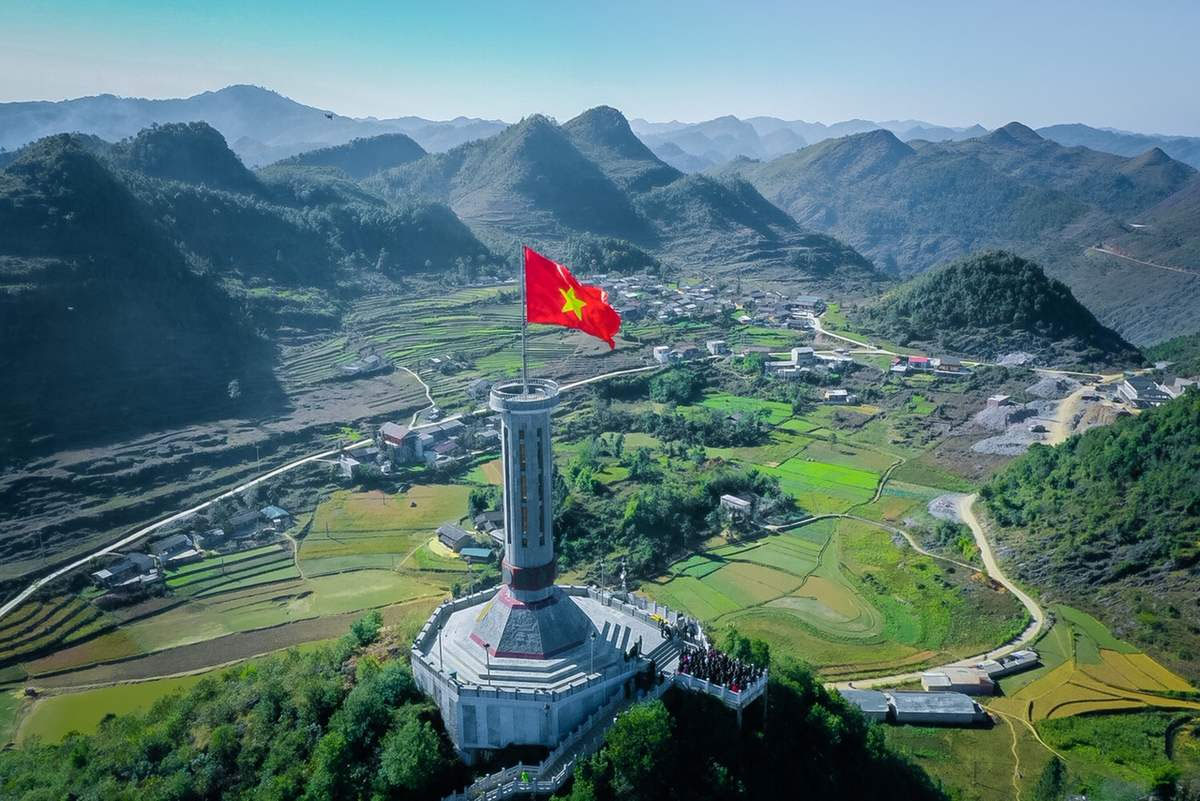
The iconic Lung Cu flagpole in Ha Giang (Photo: PYS Travel)
Ha Giang is one of the most beautiful regions in Vietnam, boasting many famous landmarks such as the Dong Van Pass, Can Ty area, Meo Vac night market, and other destinations like Lung Cu, Yen Minh, and Quan Ba. These places are all attractive destinations for those who love travel and want to explore the northern highlands.
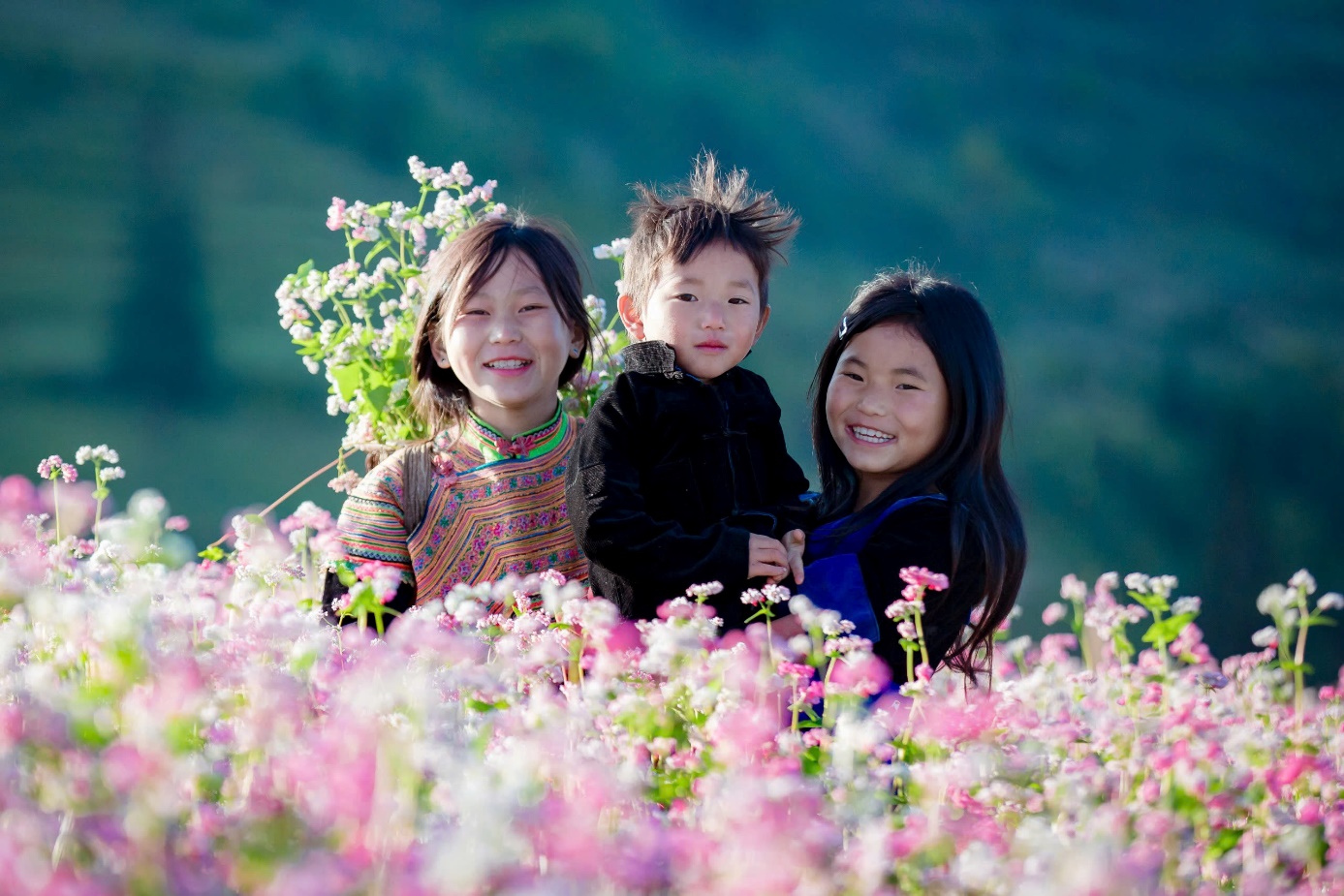
Ha Giang is famous for its buckwheat fields (Photo: PYS Travel)
You will enjoy the fresh, cool mountain air, savor local cuisine, and experience the life of the local people. Furthermore, you can participate in exciting activities such as hiking, mountain climbing, photography, or even attend local festivals to discover the unique ethnic culture of this region.
See more suggestions in the article: Tourist destinations in Northern Vietnam for overseas Vietnamese
B. Tourism in Central Vietnam
1. Da Nang – The most livable city in Vietnam
Da Nang is known as “the most livable city in Vietnam” because it boasts abundant natural beauty and a civilized lifestyle rarely found elsewhere. When you visit, you can easily feel the warmth and kindness of the city’s people, and there is absolutely no tourist scam or price gouging.

The magnificent and luxurious beauty of Da Nang city (Photo: collected)
The city of bridges is also famous for its many beautiful destinations, so it’s no surprise that Da Nang ranks number one among the most popular destinations on the Vietnamese tourism map. Alongside this, there are countless delicious dishes waiting for tourists to discover, such as Quang noodles, Da Nang banh mi, banh xeo (Vietnamese savory pancake), nem lui (grilled pork skewers), Da Nang beef sausage, and more.
2. Hoi An – A place that holds timeless values.
Hoi An is one of the most popular tourist destinations in Vietnam. It boasts many attractive sights, including the unique architecture of its ancient houses, a rich culinary scene, and an incredibly friendly atmosphere. In particular, visitors often witness the shimmering lanterns hanging everywhere, creating a beautiful, enchanting, and romantic scene.

(Photo: collected from various sources)
In addition, visitors can also explore other interesting destinations such as Hoi An Market, Hoi An Ancient Town, and traditional craft villages. You can also stroll along the old cobblestone streets and admire unique architectural works from around the world.
Discover the unique culture and cuisine of Vietnam and enjoy the vibrant festive atmosphere of the local people. You are sure to have unforgettable experiences when you visit Hoi An.
3. Nha Trang
The best time to experience the beach season in Nha Trang is during the summer – one of Vietnam’s top tourist destinations. With its long stretches of beach, crystal-clear waters, and glorious sunshine, Nha Trang awaits visitors from all over the world to enjoy a wonderful summer.
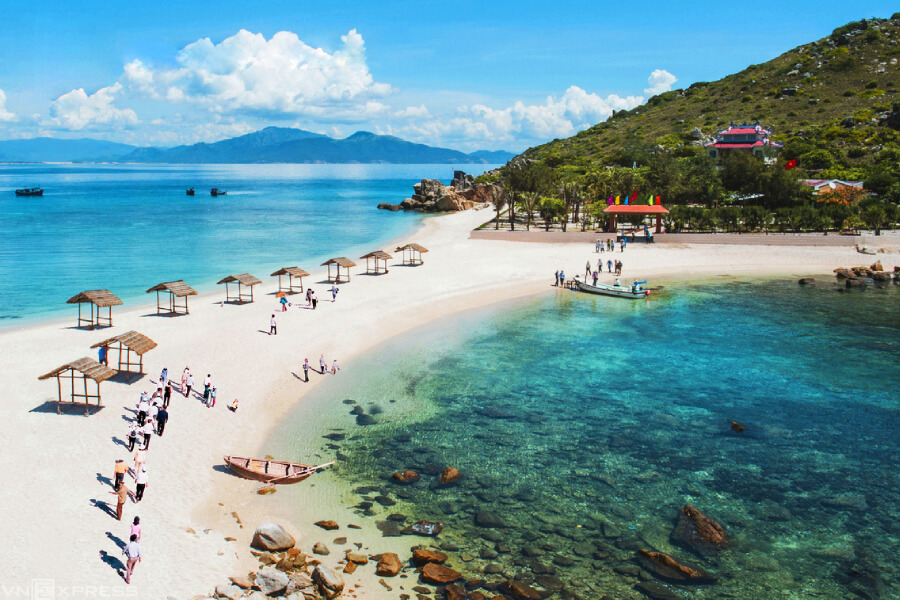
Nha Trang is blessed with beautiful beaches (Photo: PYS Travel)
Nha Trang boasts a coastline stretching over 10km with pristine white sand, clear blue water, and gentle waves that are neither too big nor too strong, making swimming a truly wonderful experience. Nha Trang also offers many other exciting activities for visitors to enjoy, such as scuba diving, kayaking, surfing, taking an electric ferry, and visiting famous tourist attractions like Hon Mun Island, the Oceanographic Institute, the Cham Culture Museum, Dam Market, Ponagar Tower, and the ancient Da Ban Pagoda.
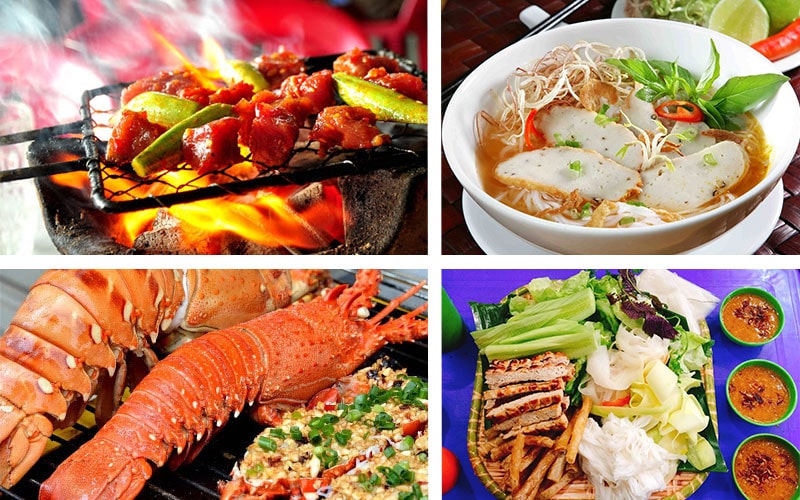
(Photo: collected from various sources)
In addition, Nha Trang is famous for its distinctive seafood cuisine, with many delicious fresh seafood dishes such as grilled squid, lobster, grilled barracuda, banh can (rice pancake), banh xeo (Vietnamese savory pancake), etc. Tourists will never forget the experience of enjoying these dishes at the restaurants and eateries in Nha Trang.
See more suggestions in the article: Top famous tourist destinations in Central Vietnam for overseas Vietnamese.
C. Southern Vietnam Tourism
1. Glamorous Saigon
Saigon, the glamorous city, attracts countless tourists with its vibrant and bustling atmosphere, considered one of the most bustling cities in Vietnam. When visiting Saigon, don’t forget to explore famous historical sites such as the Cu Chi Tunnels and the Independence Palace.
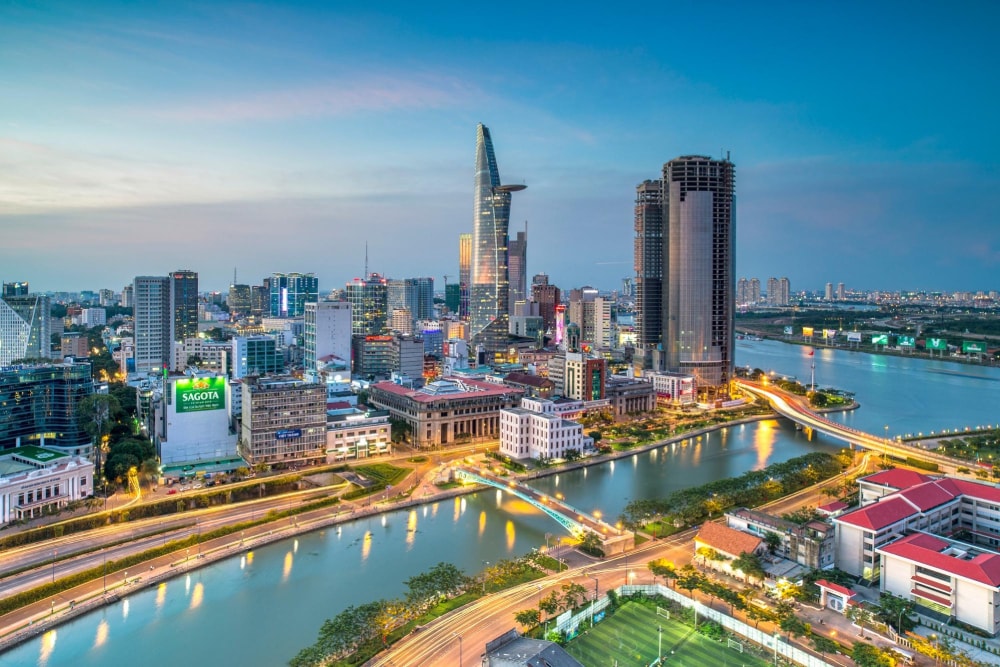
The bustling buildings in Saigon’s economic center (Photo: collected)
Explore Ben Thanh Market, the bustling Hanh Thong Tay night market filled with shoppers and vendors, or check in at 1001 amazing photo spots at the Saigon Central Post Office, the Ho Chi Minh City Museum of Fine Arts, the City Theatre, Nguyen Hue pedestrian street, Tan Dinh Church, and more.
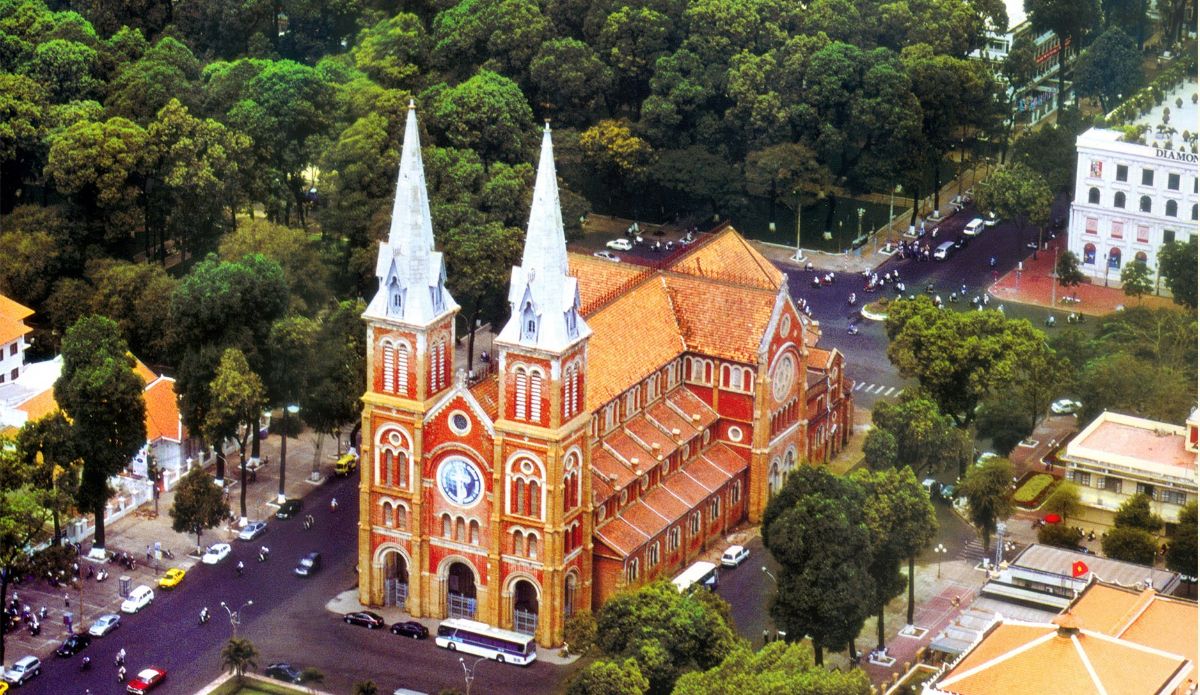
(Photo: collected from various sources)
Ho Chi Minh City, despite its modernity, still retains unique architectural features from the French colonial era. It’s also a melting pot of diverse international cuisines. Therefore, don’t waste your time searching for faraway tourist destinations when Vietnam has so many places to visit, such as the modern and luxurious Ho Chi Minh City, which is just as impressive as any foreign city.
2. Phu Quoc, “the pearl of the Far East”
Phu Quoc, Vietnam’s pearl island, is located in the Gulf of Thailand, in Kien Giang province, in southwestern Vietnam. Known for its beautiful scenery, blue sea, white sand, and golden sunshine, it is one of the most attractive destinations in Vietnam, especially with its generally pleasant and beautiful weather.
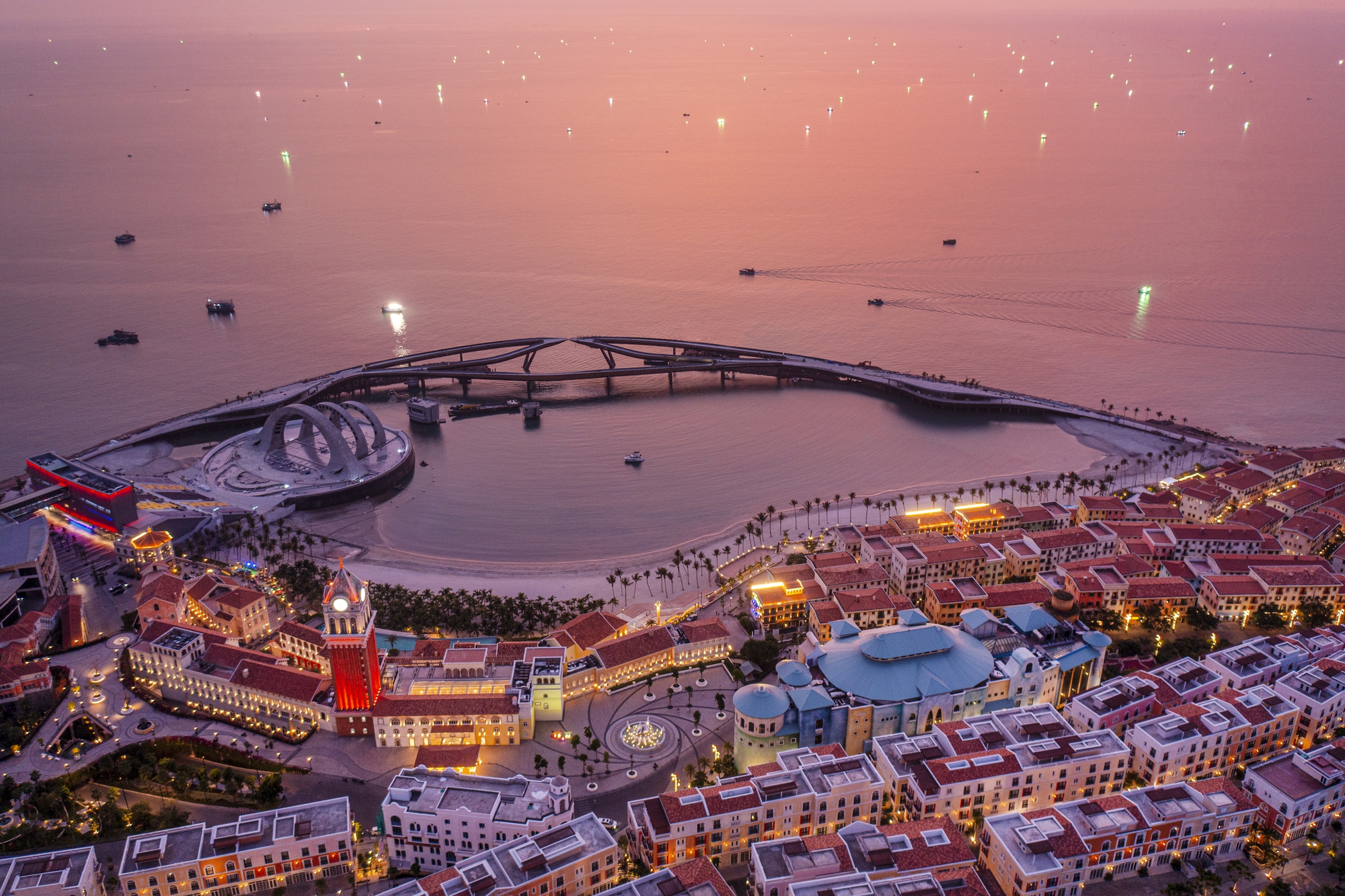
(Photo: collected from various sources)
Phu Quoc Island boasts many beautiful and famous beaches, such as Sao Beach, Long Beach, Truong Beach, Ong Lang Beach, Khem Beach, etc., each with its own unique beauty and characteristics. Tourists can swim, play on the white sand, and enjoy the vast expanse of crashing waves. If you are a sports enthusiast, you can also participate in exciting activities such as surfing, scuba diving, or fishing.
Besides its stunning scenery, Phu Quoc is also famous for its unique and delicious local specialties such as grilled oysters, grilled snakehead fish, and “bun ken” noodles. If you want to shop, Duong Dong town has many shops and local markets selling specialty products and handicrafts.
3. Mui Ne: “Blue sea and sand dunes”
If you’re a beach lover, someone who loves the golden sunshine and gentle breeze, then you absolutely shouldn’t miss Mui Ne – Phan Thiet. Mui Ne is a famous tourist center in the South Central region, located about 22km northeast of Phan Thiet city in Binh Thuan province. It boasts a long stretch of pristine blue coastline, wild and desert-like, with stunning red sand dunes at sunset.

(Photo: collected from various sources)
Mui Ne also attracts tourists with its diverse culture of the Kinh, Hoa, Cham, and other ethnic groups. Notable examples include the Thien Hau Temple, Cham towers, Water Tower, Ong Temple, Van Thuy Tu, and many other historical sites.
4. Can Tho – the Mekong Delta
Known as the “Western Capital” – the capital of the Southwestern region of Vietnam for over a hundred years – Can Tho is one of the most attractive destinations in the South. Located in the heart of the Mekong Delta, in the lower reaches of the Mekong River, Can Tho, despite its rapid economic development, still retains the distinctive cultural characteristics of the riverine region.
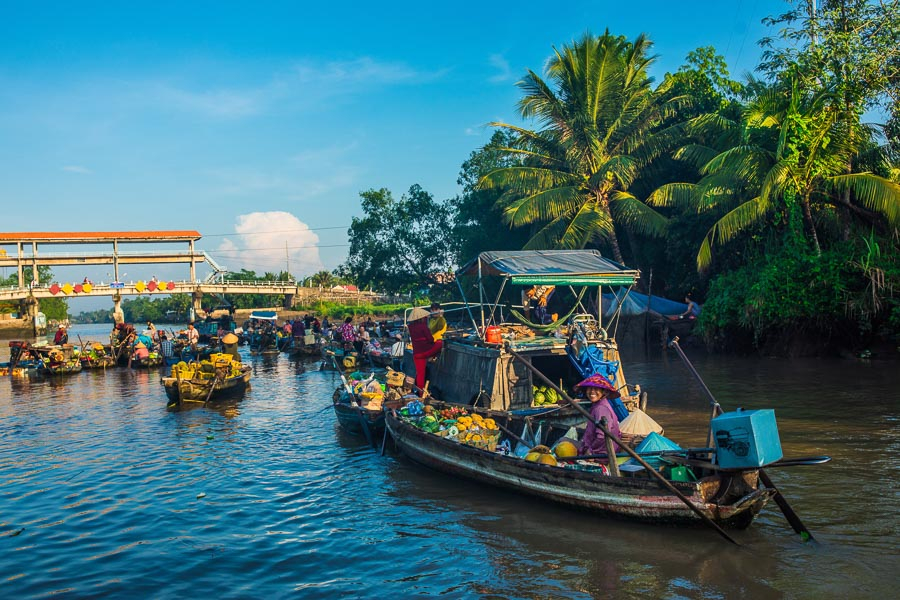
Can Tho is known as the capital of the Mekong Delta (Photo: collected)
0 Comment