
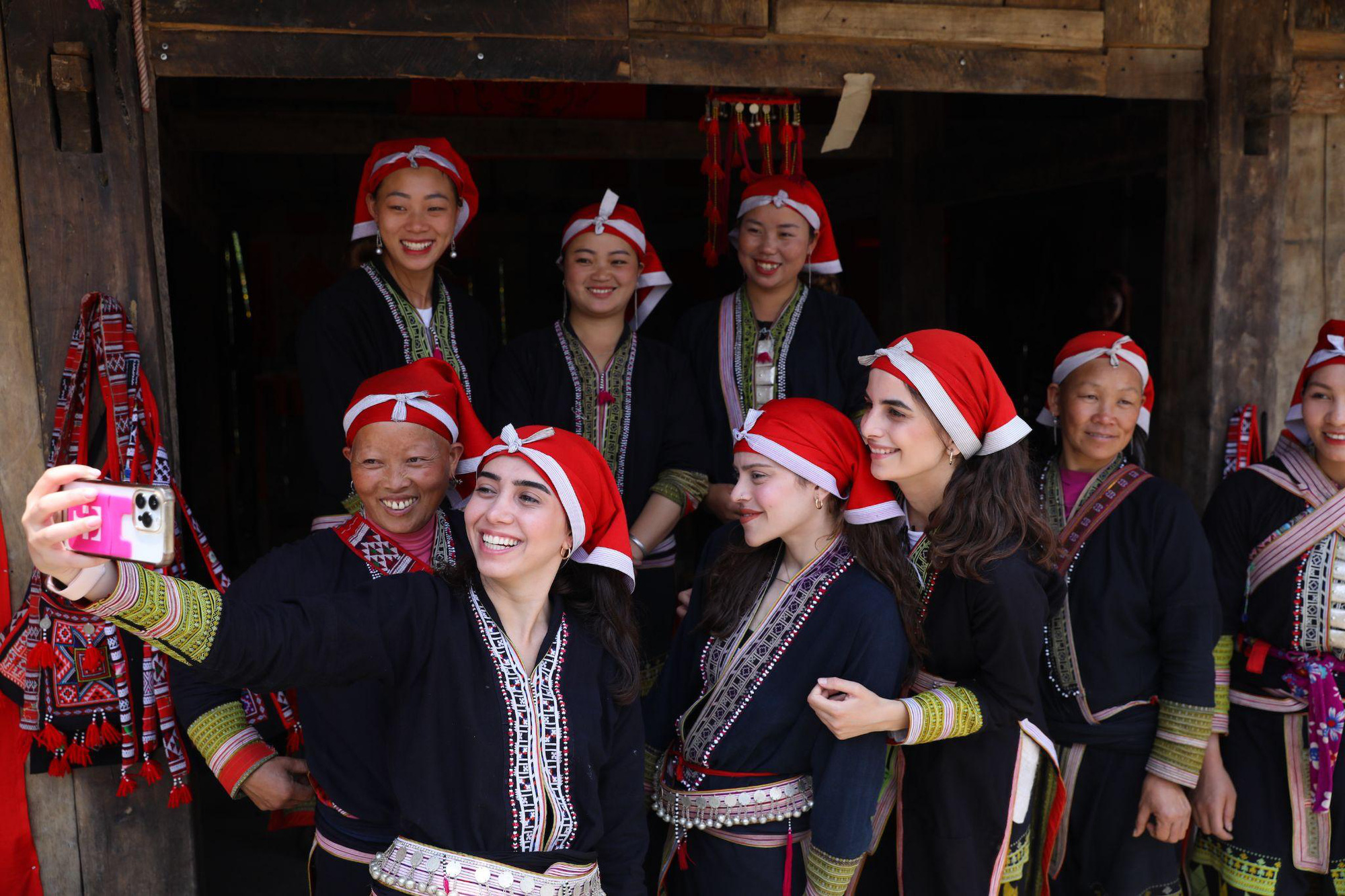

1. Ban May – Discover Northwest Vietnam at the Foot of Fansipan
Located at the foot of Fansipan, Ban May showcases the rich culture of Northwest Vietnam. It brings together five ethnic groups: H’Mong, Tay, Giay, Xa Pho, and Red Dao. As part of the Sun World Fansipan Legend complex, it offers a vivid cultural experience.
Here, visitors explore daily life, traditions, cuisine, and local art. For example, you can listen to H’Mong flute music or watch a Red Dao wedding reenactment. In addition, you can enjoy local dishes like colorful sticky rice, braised pork belly, and smoked buffalo meat.
Moreover, Ban May offers hands-on activities. You can try weaving brocade, dyeing fabric, or making traditional drums. You can also wear ethnic costumes made by local artisans.
On weekends, the atmosphere becomes more lively. Visitors enjoy bamboo dancing, folk songs, and mini shows like “Little Sapa.” As a result, even one day here gives you a deep cultural experience.

The Northwest cultural space in Ban May. Illustration photo: Fansipanlegend
2. Unique Features of Ban May
2.1 Authentic Village Spaces
As soon as you pass the bamboo gate, you enter a peaceful Northwest village. Red Dao women embroider clothes, while H’Mong families gather around the fire. Meanwhile, Xa Pho lullabies echo softly in the background.
Ancient houses from remote villages have been carefully restored. Therefore, Ban May feels both authentic and alive. Culture and daily life blend naturally here.
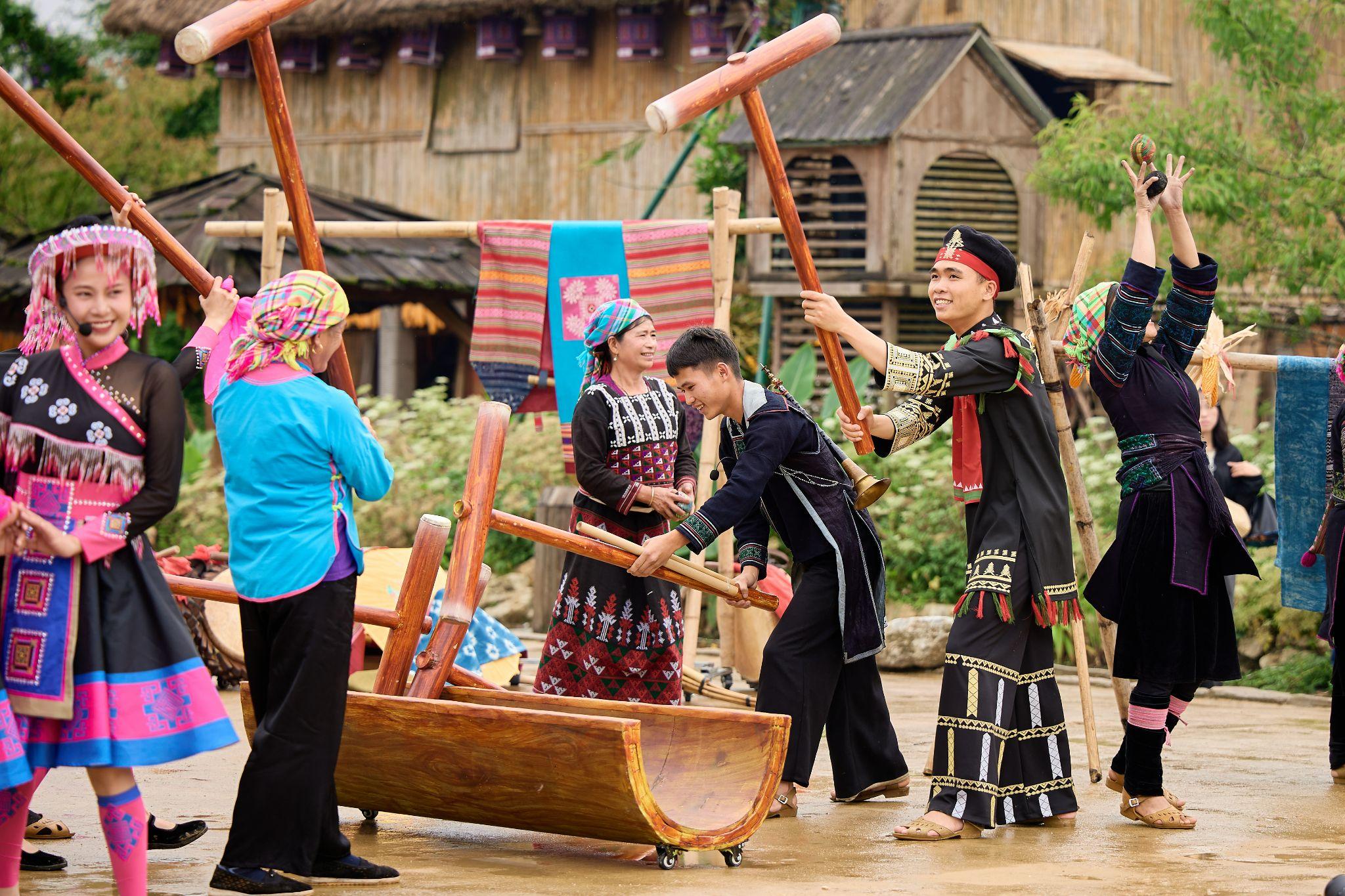
Bản Mây offers a journey to explore the lives of five ethnic groups: H’Mông, Tày, Giáy, Xa Phó, and Red Dao. (Illustrative image: Sungroup)
2.2 Preserving and Promoting Culture
Ban May was built to celebrate the Fansipan cable car anniversary. More importantly, it helps preserve ethnic traditions.
Eleven traditional houses were reconstructed. In addition, locals planted persimmon trees and medicinal herbs. Local artisans and young people actively join cultural activities. They introduce customs, crafts, cuisine, and festivals to visitors.
2.3 Meet Ethnic Communities
At Ban May, you meet H’Mong, Red Dao, Tay, Giay, and Xa Pho people. You can explore their homes and daily routines.
Moreover, you can learn about worship rituals and traditional lifestyles. One highlight is the five-colored sticky rice prepared by the Red Dao. It is fragrant, colorful, and meaningful.
As a result, just one visit helps you understand multiple cultures.
Visitors listen to stories about the traditional houses of the Red Dao people. (Illustrative photo: Lao Dong newspaper)
2.4 Explore Spiritual Life
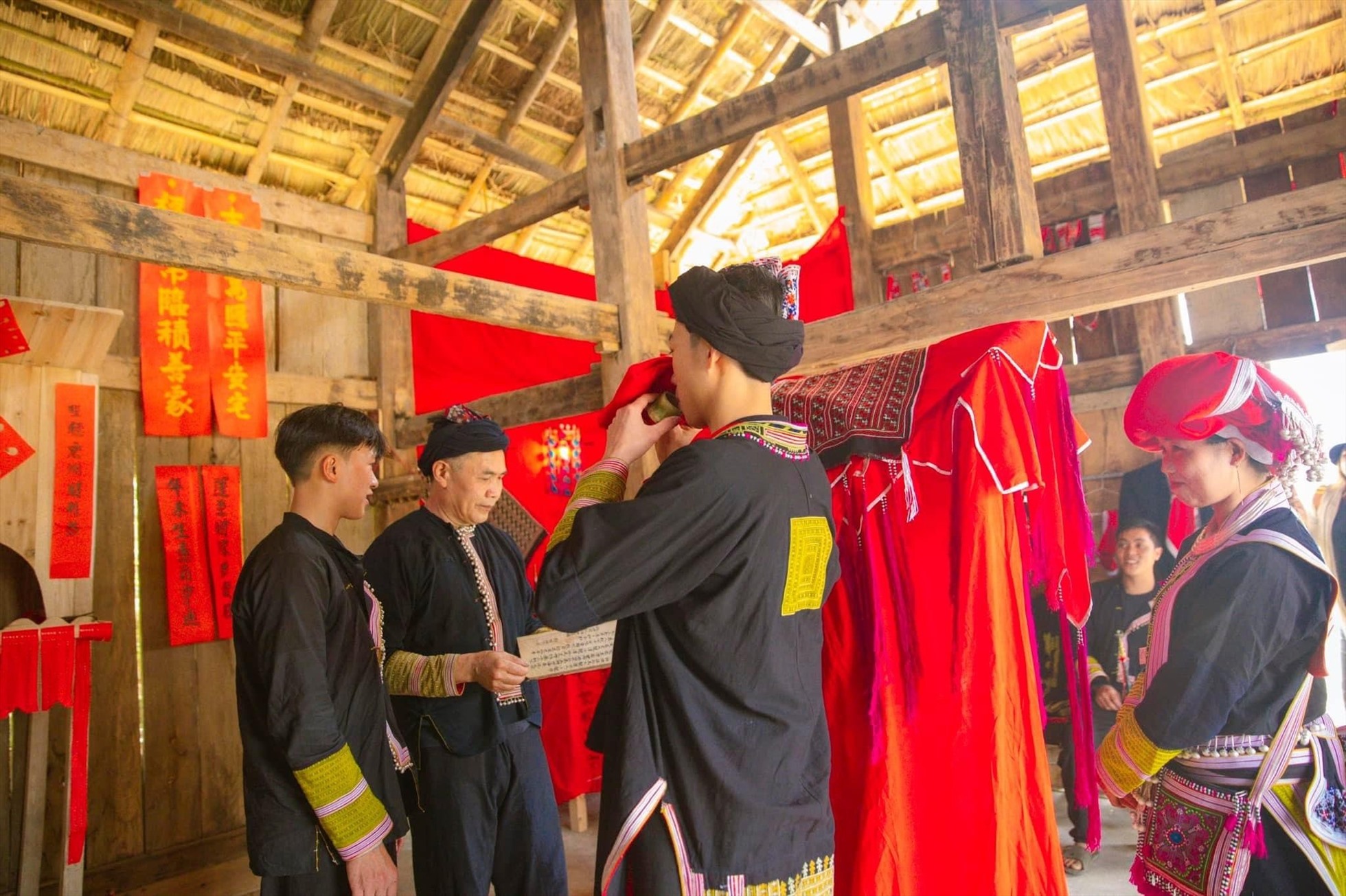
Ban May also preserves spiritual traditions. Locals perform housewarming rituals, ancestor worship, and harvest prayers.
On weekends, the atmosphere becomes more vibrant. Visitors can watch Red Dao weddings or Tay harvest ceremonies. In addition, guides explain H’Mong spiritual symbols and rituals.
A wedding scene of the Red Dao people. (Illustrative photo: Lao Dong newspaper)
2.5 Ban May Festival Experience
Every weekend, Ban May hosts exciting cultural activities. Visitors can pound sticky rice cakes or cook traditional dishes.
You can also listen to flutes, watch performances, and learn unique customs. Each day highlights a different ethnic group. Therefore, every visit feels new and engaging.
After that, you can walk to the Fansipan cable car station in just five minutes. Then, continue your journey to the “Roof of Indochina.”
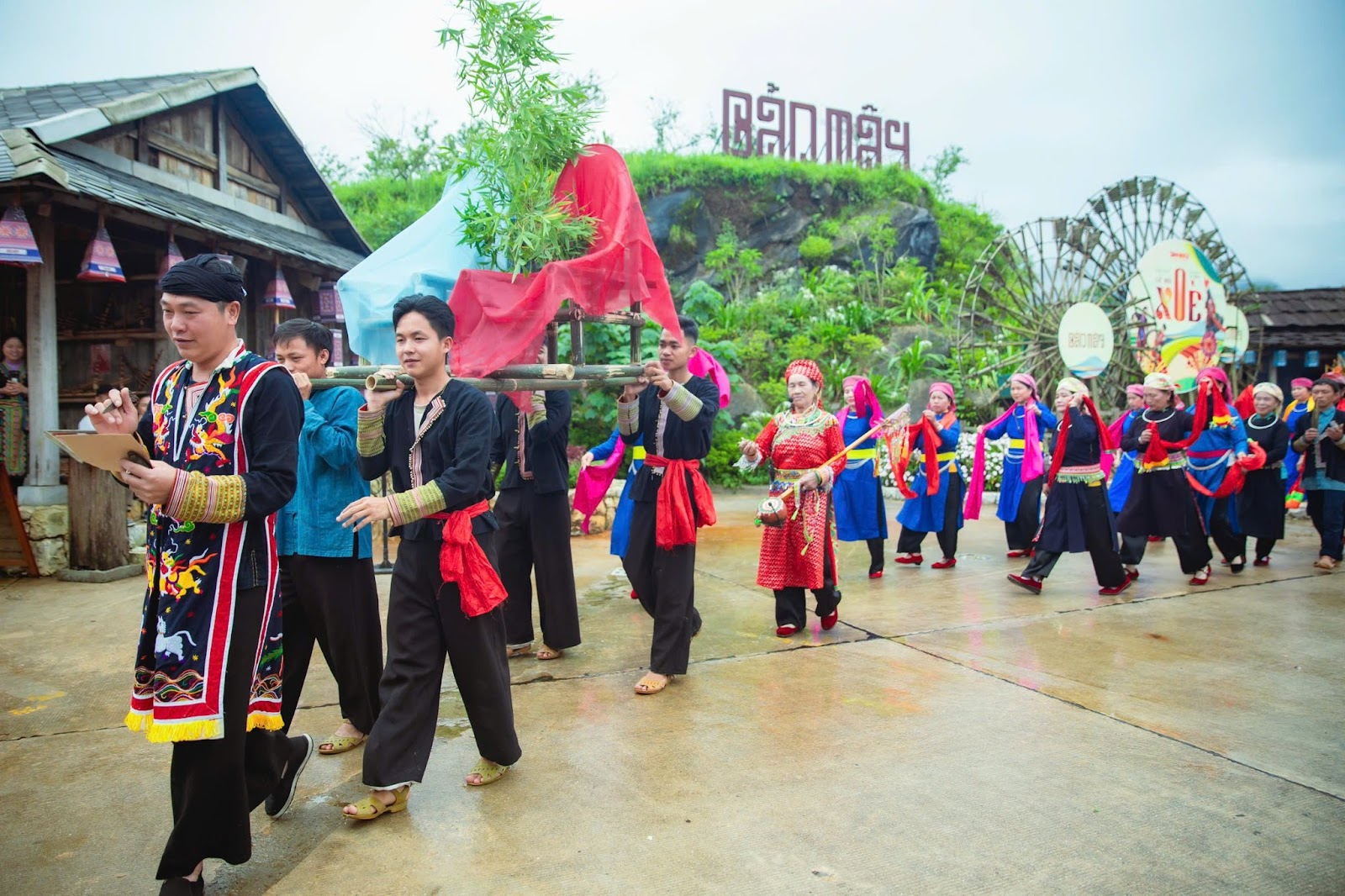
The lively festive atmosphere attracted a large number of visitors. (Illustrative photo: Sungroup)
2.6 Cultural Role in Sapa Tourism
Ban May plays an important role in Sapa tourism. It preserves both tangible and intangible heritage.
Experts and artists work together to create shows and events. Moreover, handicrafts and festivals enrich the visitor experience. As a result, Sapa becomes a culturally rich destination.
2.7 Northwest Cuisine in Ban May
Food is a highlight at Ban May. In the cool Sapa weather, local dishes taste even better.
You can enjoy braised pork, herbal chicken, and smoked buffalo meat. In addition, try corn wine made with traditional methods.
Meals are simple but meaningful. Visitors often share stories with local hosts. Therefore, the experience feels warm and authentic.
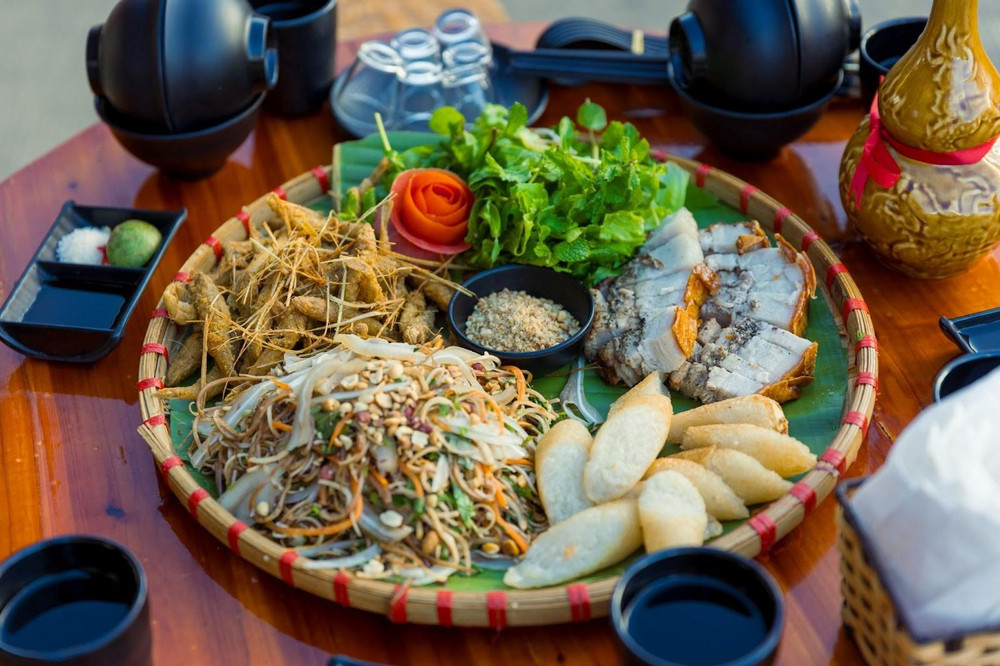
A simple meal, a glass of strong corn wine, and heartfelt conversations with the host are the beautiful culinary traditions deeply rooted in the local culture. (Illustrative image: Ministry of Culture, Sports and Tourism)
2.8 Brocade Weaving and Handicrafts
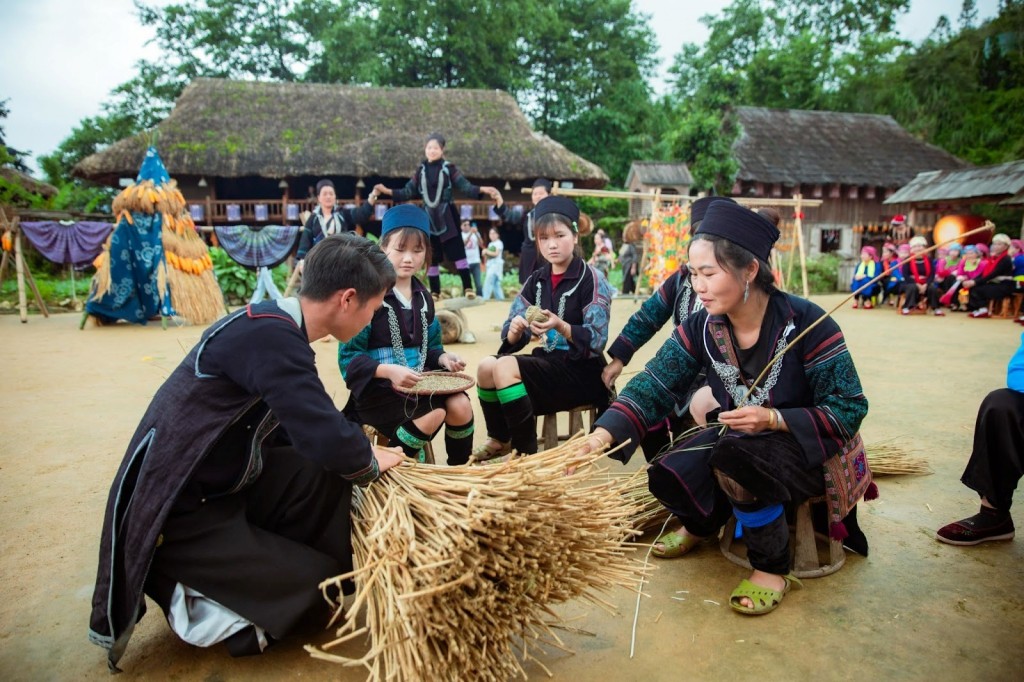
Brocade is a symbol of Sapa culture. At Ban May, visitors can watch and join the process.
You can try weaving, dyeing, and embroidery. Some traditional costumes take years to complete. Therefore, each piece reflects great skill and patience.
Moreover, you can wear ethnic outfits and take photos. This creates a deeper connection with local culture.
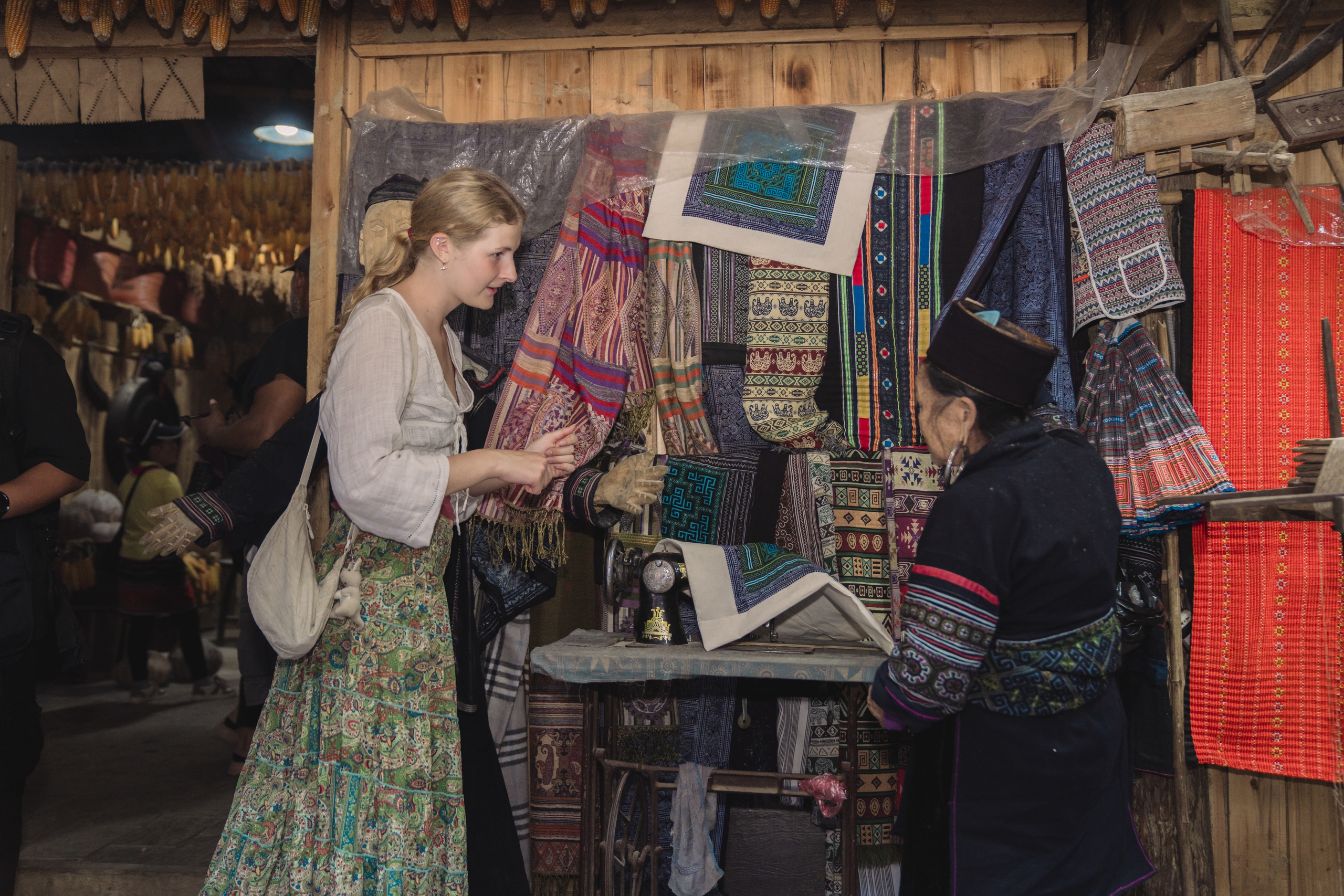
Learning about traditional brocade weaving in Ban May. (Illustrative image: Ministry of Culture, Sports and Tourism)
2.9 Art and Music Performances
Ban May hosts daily performances. Traditional music fills the air throughout the day.
Visitors can enjoy H’Mong flutes, Tay folk songs, and Xa Pho dances. In addition, mini shows like “Little Sapa” combine tradition and modern style.
You can also join bamboo dancing. On weekends, performances become even more exciting.
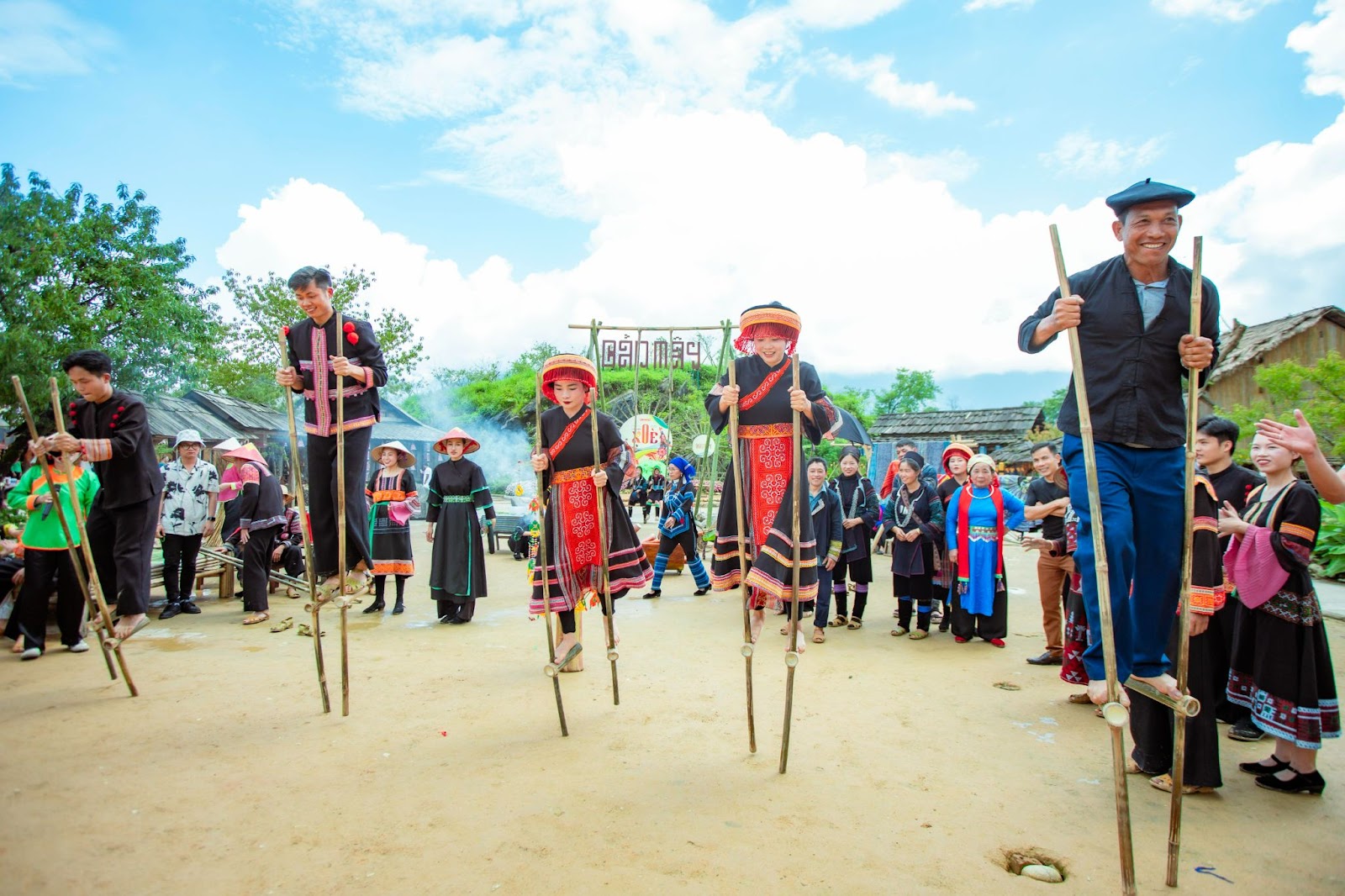
A spectacular art performance program. (Illustrative image: Tuoi Tre Newspaper)
2.10 A Cultural Hub of Northwest Vietnam
Ban May stands out as a “mini Northwest Vietnam.” It not only preserves culture but also brings it to life.
Moreover, it reflects Sapa’s tourism strategy. The area combines natural beauty with cultural identity.
As a result, Ban May becomes a must-visit destination. It offers both cultural depth and memorable experiences.
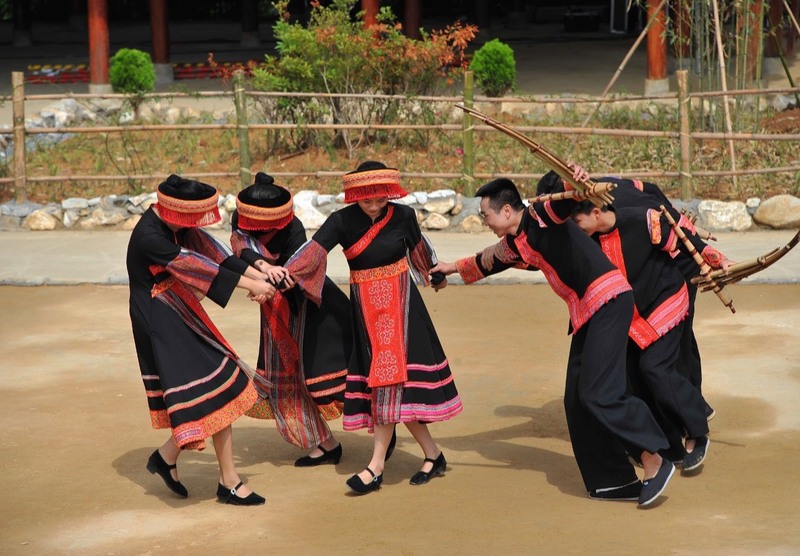
The image depicts the Hmong custom of “wife abduction.” (Illustrative photo: Lao Dong newspaper)
Ban May is more than a tourist attraction. It connects visitors with the true spirit of Northwest Vietnam. Located in Sapa, it offers culture, food, and authentic experiences in one place.
If you want to explore local life and traditions, Ban May is the perfect choice. It will make you fall in love with the beauty of the highlands.
0 Comment